Ruby Valley: A Lesser-Known Himalayan Region of Nepal Journeying Through Nepal with Himalayan Trails & Tales

In the folds between Ganesh Himal and Langtang, where trails are still shaped by footsteps rather than crowds, Ruby Valley offers a rarer kind of journey one measured in human connection as much as altitude.
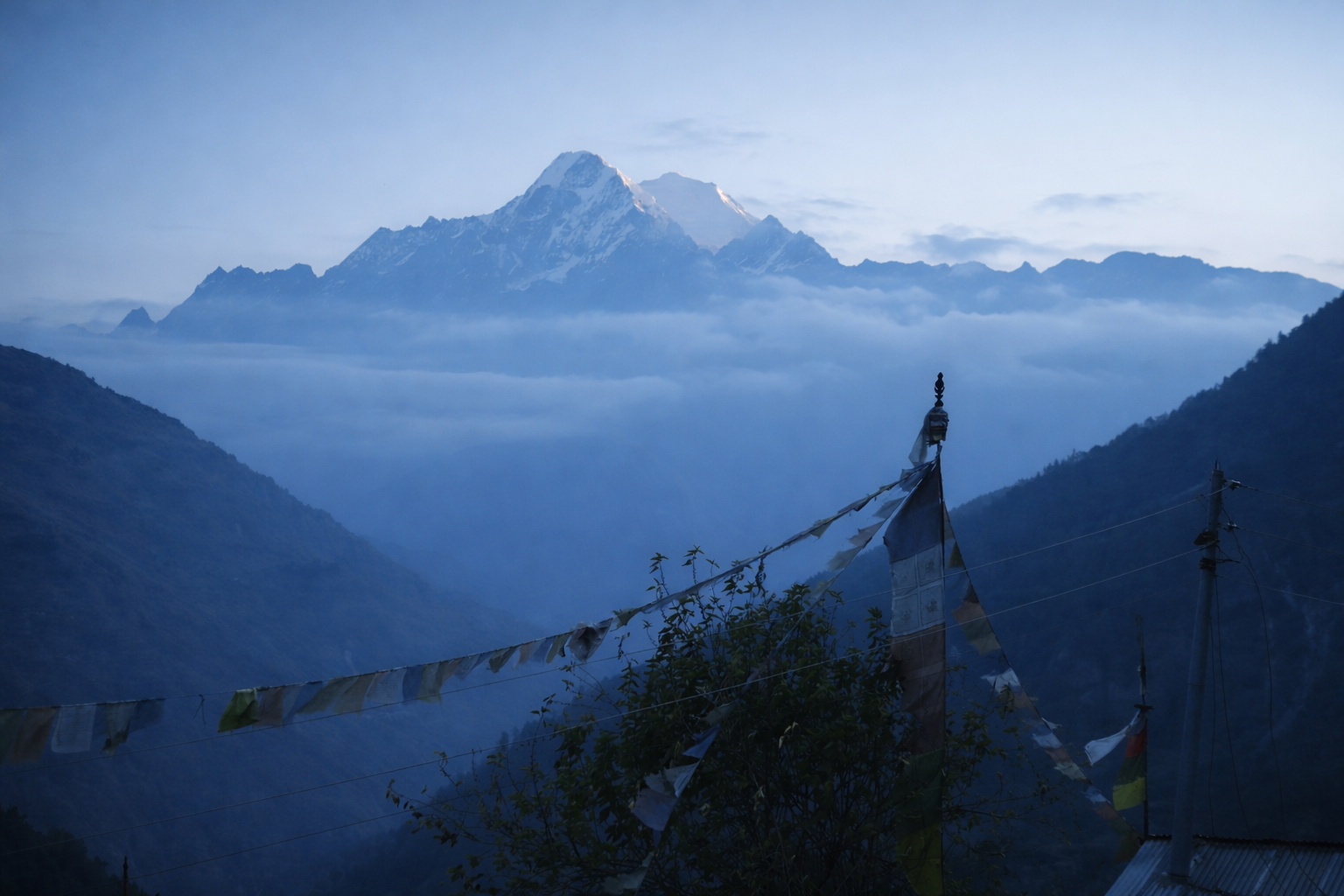
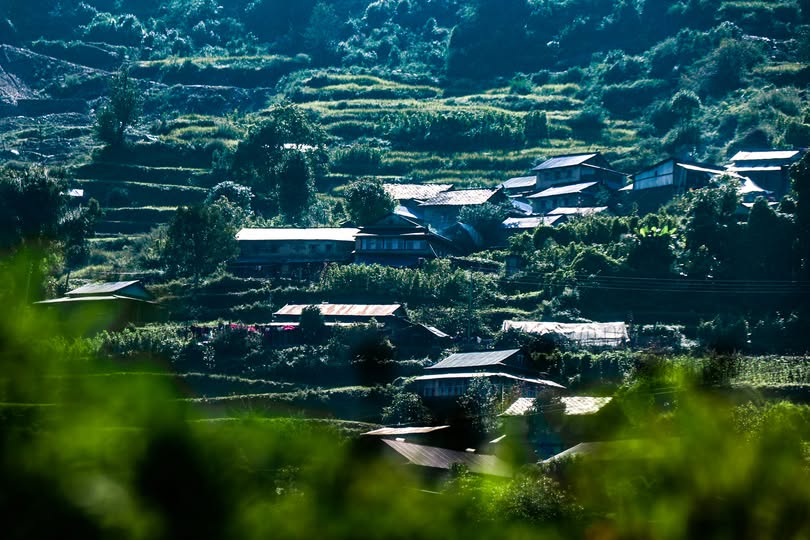
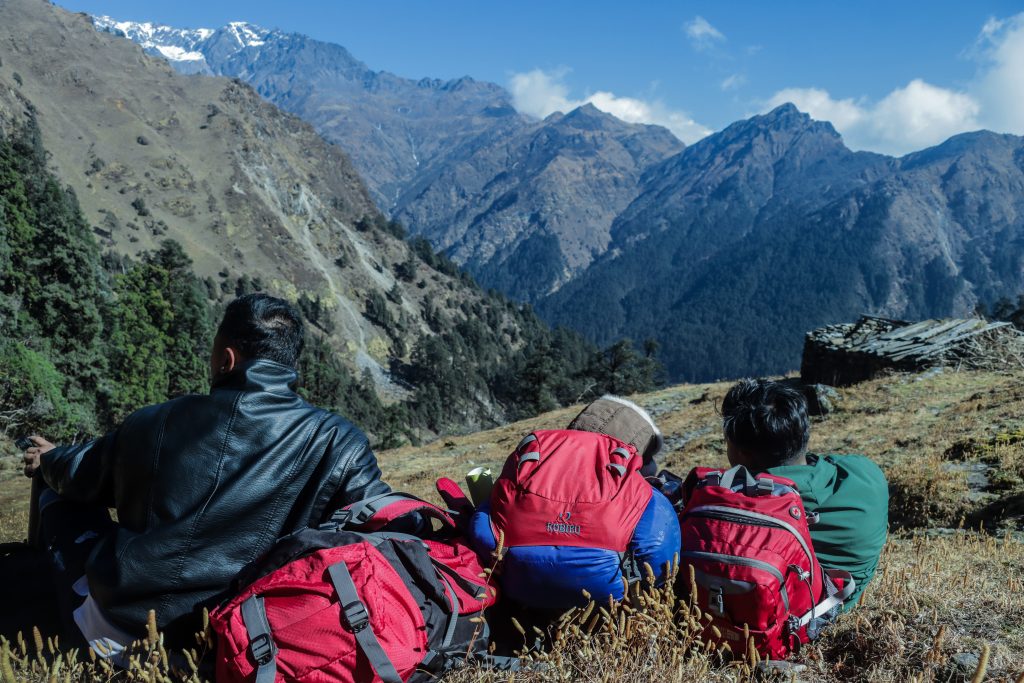
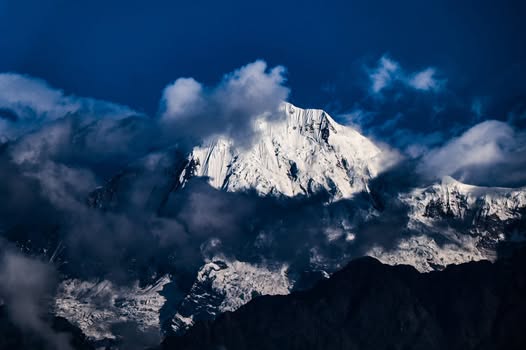
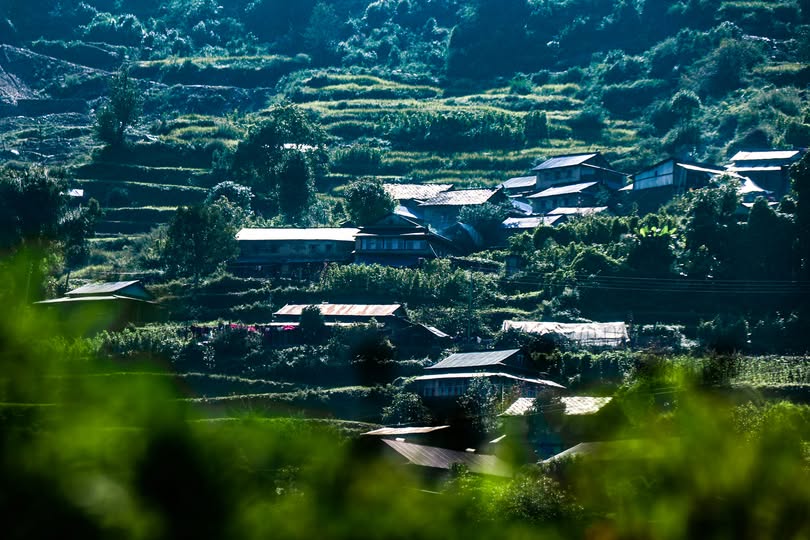
At dawn in Gatlang Village, traditional Tamang homes overlook the high valleys of Rubi Valley, framed by Nepal’s rugged mountain skyline.

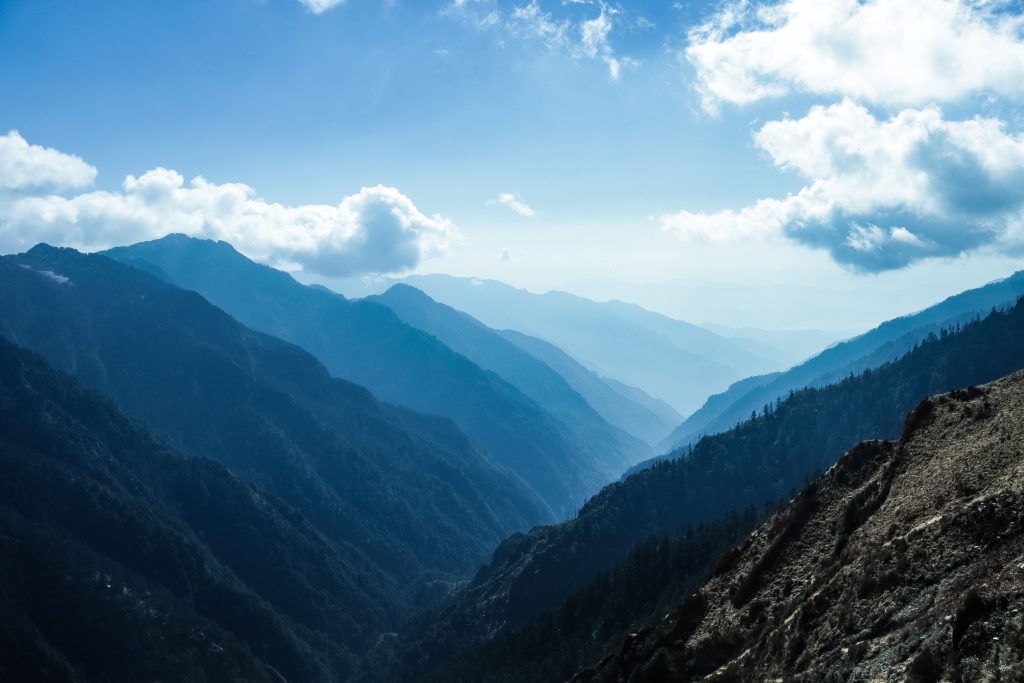
At dawn in Ruby Valley, the mountains do not announce themselves with spectacle. They rise gradually from terraced hillsides and forested ridges, their white summits revealed only after the morning mist lifts from the valleys below. The air carries the scent of pine and woodsmoke. Roosters call from slate-roofed houses, and somewhere along a narrow stone path, a child in school uniform walks past prayer wheels spun smooth by generations.

This is not the Nepal of crowded trekking corridors or iconic base camps. It is quieter, more intimate — a landscape suspended between remoteness and resilience. And for those willing to venture beyond the better-known routes of Everest and Annapurna, the Ruby Valley Trek offers a revealing encounter with a different Himalayan narrative.
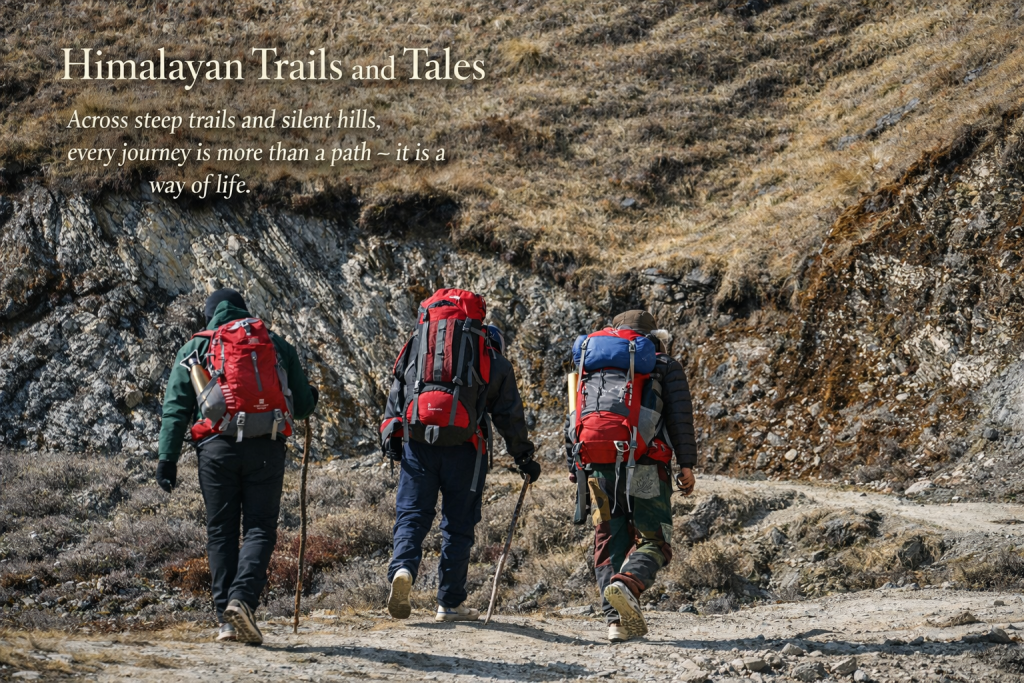
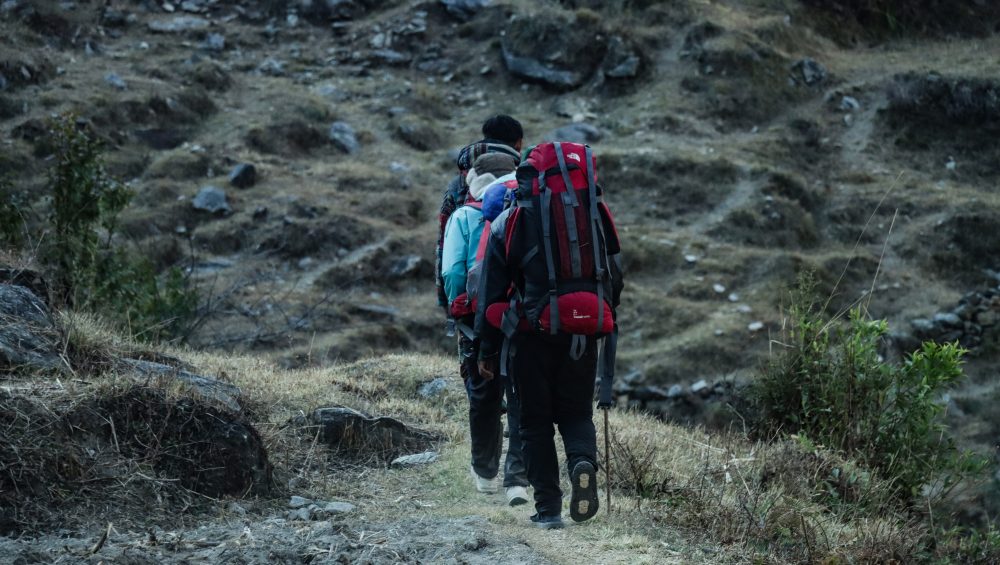
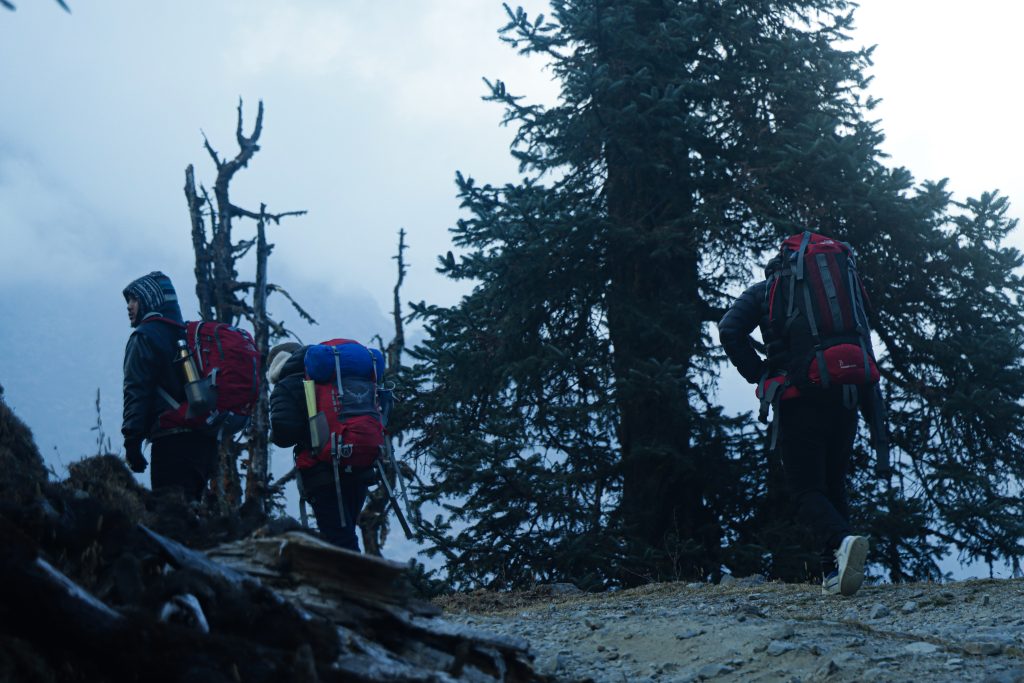
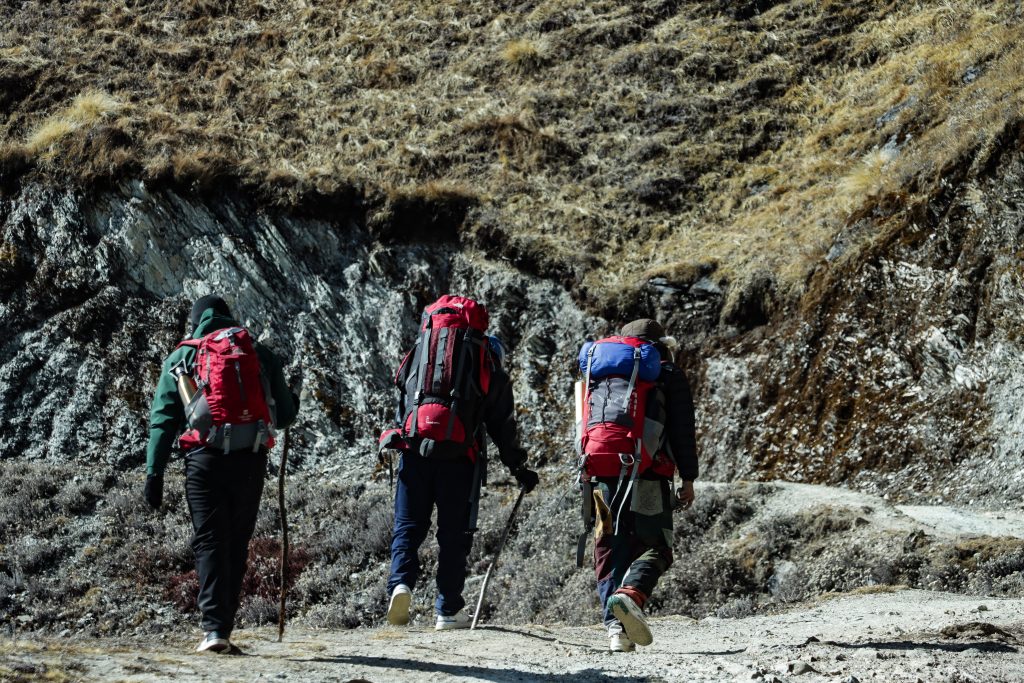
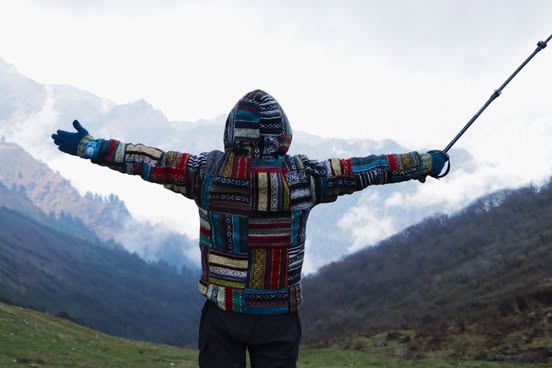
High above Ruby Valley, trekkers move slowly across Pangsang Pass, guided by ancient trails and the vast silence of the central Himalayas.

Geographically, Ruby Valley lies north of Dhading district, cradled between the Ganesh Himal range to the west and Langtang to the east. Despite its dramatic setting — with peaks rising beyond 7,000 meters — the region remains one of Nepal’s least commercialized trekking areas.

The valley takes its name from deposits of ruby and other semi-precious stones once found in its hills, though today its greater wealth lies in its cultural and ecological diversity. Here, Tamang and Gurung communities inhabit villages scattered across steep ridgelines, cultivating maize, millet, and potatoes in terraced fields carved painstakingly from the slopes.

The terrain shifts quickly. Subtropical forests give way to rhododendron groves, which in spring ignite the hillsides in red and pink bloom. Higher still, alpine meadows open beneath the snow-capped profiles of Ganesh Himal, offering unobstructed panoramas rarely interrupted by the presence of other trekkers.
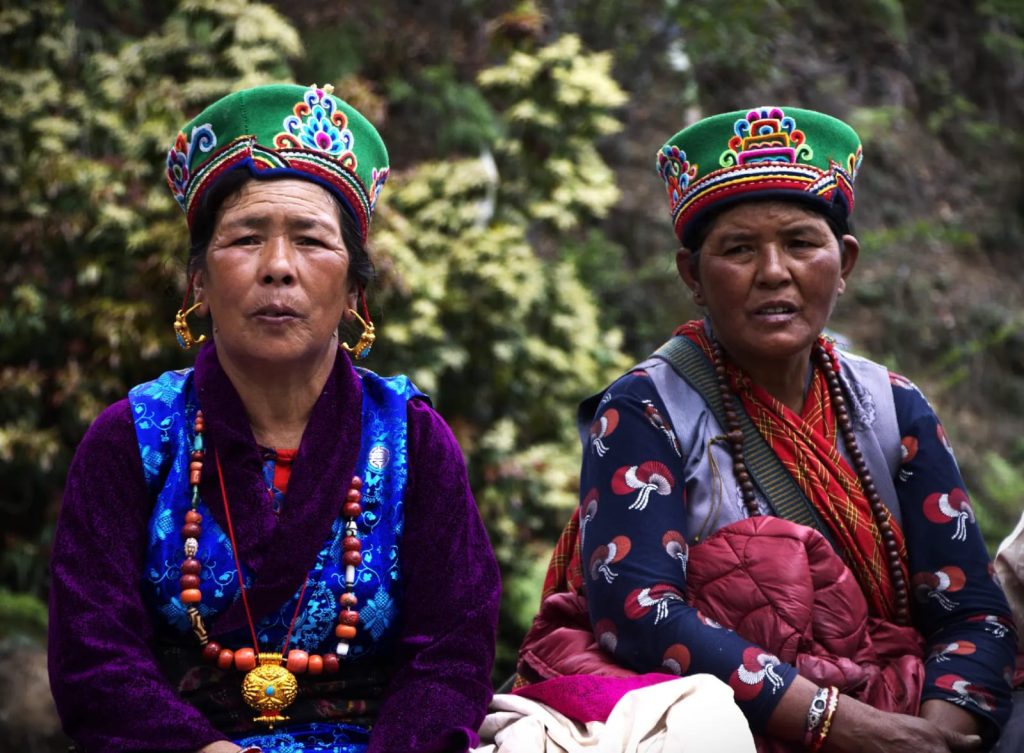
In Rubi Valley’s highland communities, hospitality is not a performance but a way of life — rooted in tradition, resilience, and quiet dignity.

What distinguishes the Ruby Valley Trek is not only its scenery but its intimacy. Accommodation is largely community-based, with homestays and small lodges operated by local families. Evenings are often spent around kitchen hearths rather than in standardized teahouses, sharing simple meals of dal bhat while conversations unfold in a blend of Nepali, Tamang dialects, and the universal language of hospitality.

In villages such as Gatlang and Tipling, stone houses cluster around monasteries adorned with vibrant murals. Prayer flags stretch from rooftop to rooftop, and the cadence of Buddhist chants drifts through the air at dusk. These settlements were among those deeply affected by the 2015 earthquake, and the signs of rebuilding remain visible — reinforced walls, newly constructed schools, solar panels glinting against slate.

Trekking here becomes as much about witnessing recovery and continuity as about physical achievement. Visitors are not passing through a performance staged for tourism; they are stepping briefly into daily life shaped by agriculture, faith, and communal interdependence.
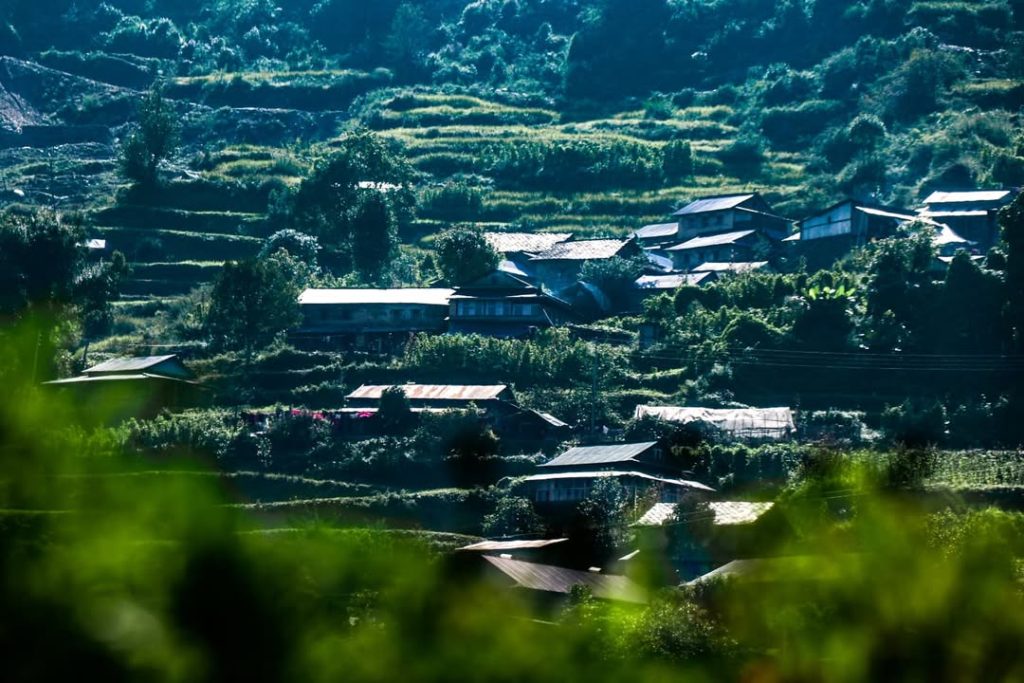
Community-run lodges in Rubi Valley reflect a model of trekking that prioritizes local livelihoods and environmental respect over scale.

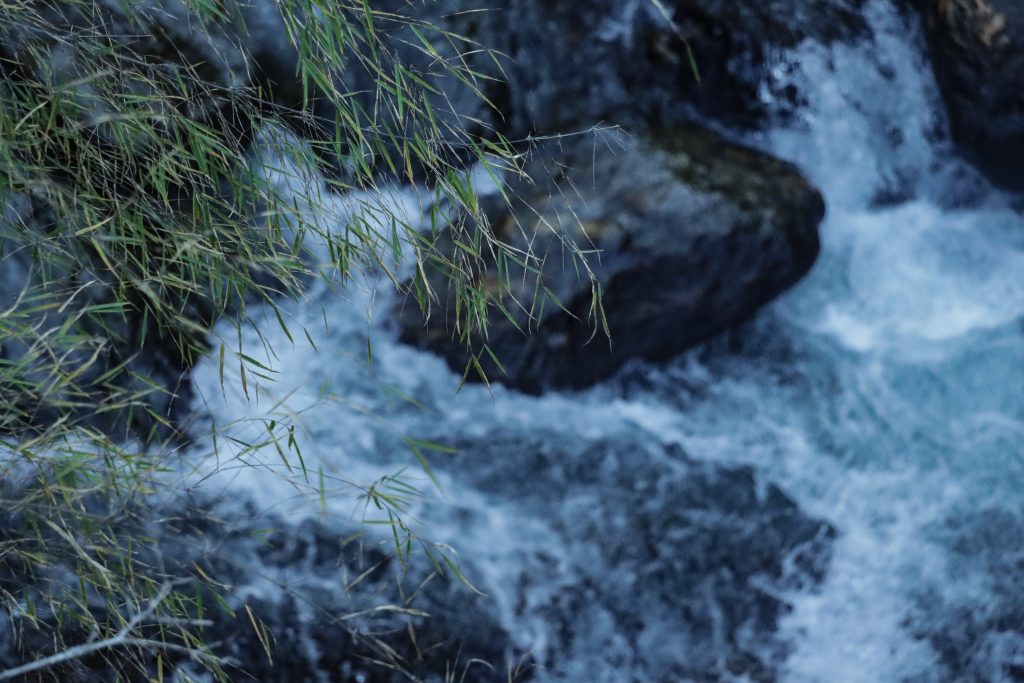
Unlike the heavily trafficked trails of Nepal’s marquee routes, Ruby Valley demands attentiveness. Paths are narrower, sometimes steep, winding through forests alive with birdsong. Suspension bridges sway above glacial rivers that cut silver lines through deep gorges.

The ascent toward Pangsang Pass — one of the trek’s highest points — reveals a sweeping Himalayan panorama that rivals more famous viewpoints. On clear days, Ganesh Himal dominates the western skyline, while distant silhouettes of Manaslu and even parts of the Annapurna range appear on the horizon. Yet the experience feels profoundly personal. The silence at these elevations is uninterrupted, the wind carrying only the rustle of alpine grass.

This sense of solitude has become increasingly rare in global trekking destinations. For seasoned travelers, it represents not isolation but privilege: the opportunity to encounter the Himalayas without mediation by infrastructure or crowds.
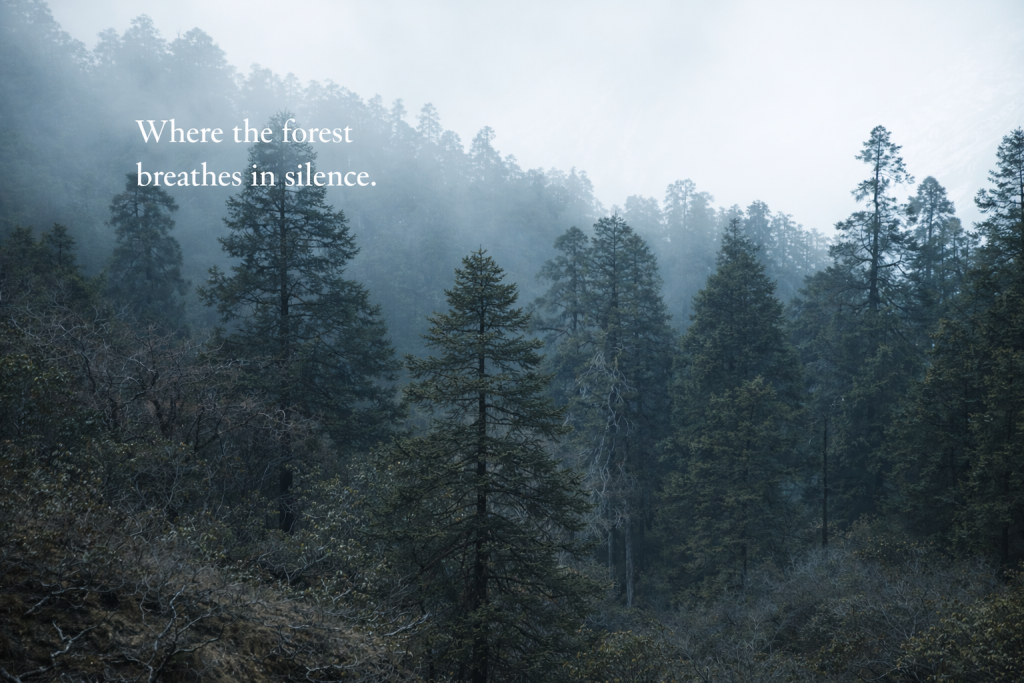
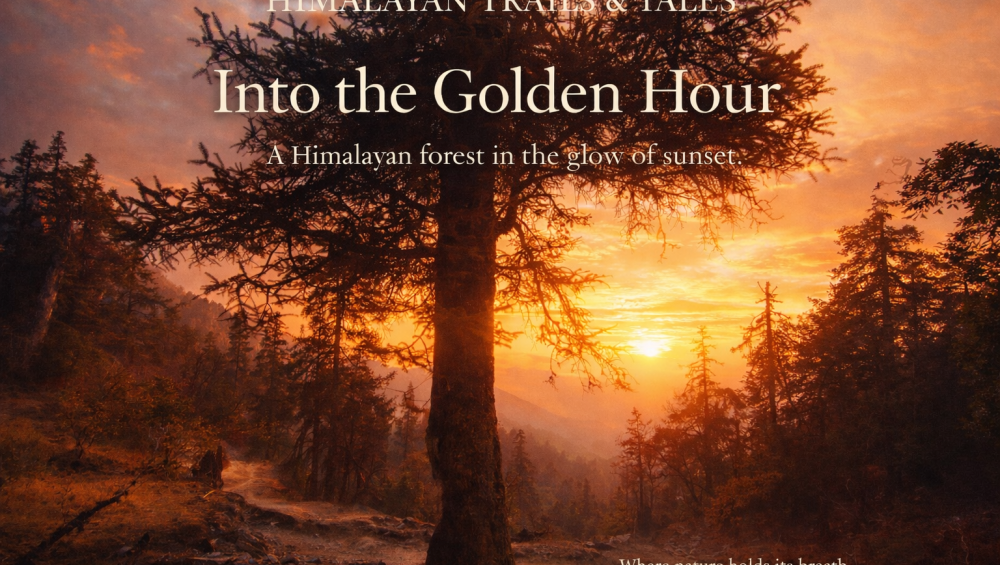
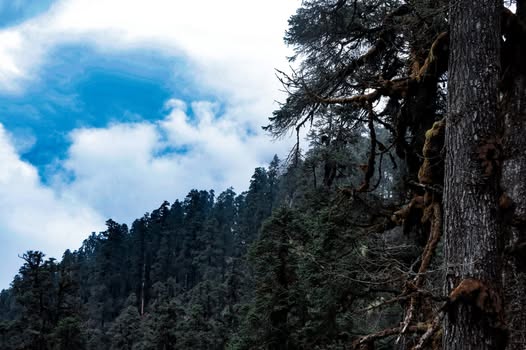
Himalayan pine forests form vital ecosystems along Nepal’s trekking routes, sustaining both wildlife and mountain communities.

Ruby Valley sits at the intersection of tradition and transition. Younger generations increasingly migrate to Kathmandu or abroad for employment, yet many families maintain ancestral homes and fields. Festivals remain vibrant, particularly Losar, the Tibetan New Year, when villages come alive with masked dances, communal feasts, and ceremonial rituals.

The Tamang heritage is especially prominent here — visible in architecture, attire, and oral storytelling traditions. Trekkers who take the time to listen hear narratives of seasonal migration, ancient trade routes linking Tibet and Nepal, and the spiritual significance of local mountains considered protective deities.

This cultural continuity lends depth to the journey. The landscape is not merely scenic; it is storied.
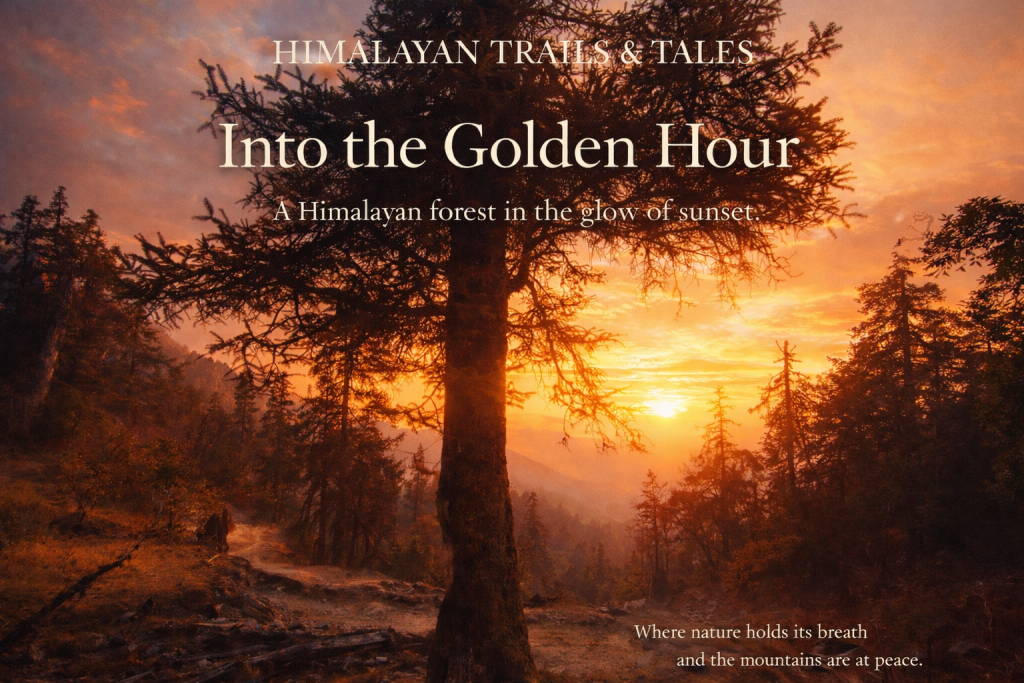
last light washes over Rubi Valley in central Nepal, where ancient Himalayan trails weave quietly through highland villages and untouched alpine landscapes.

Ruby Valley’s relative inaccessibility has shielded it from overdevelopment, but it also presents economic challenges. Tourism, when thoughtfully managed, offers one of the few sustainable income sources for local communities.

Community-led trekking initiatives have emerged as a model for responsible tourism in the region. By prioritizing local guides, homestays, and cooperatives, the economic benefits remain within the valley. Small group sizes reduce environmental strain, and visitors are encouraged to adhere to strict waste management practices, respecting the fragility of mountain ecosystems.

For environmentally conscious travelers, Ruby Valley represents a compelling alternative to more saturated destinations. It aligns with a broader shift in global travel — toward immersive, lower-impact experiences that privilege authenticity over convenience.
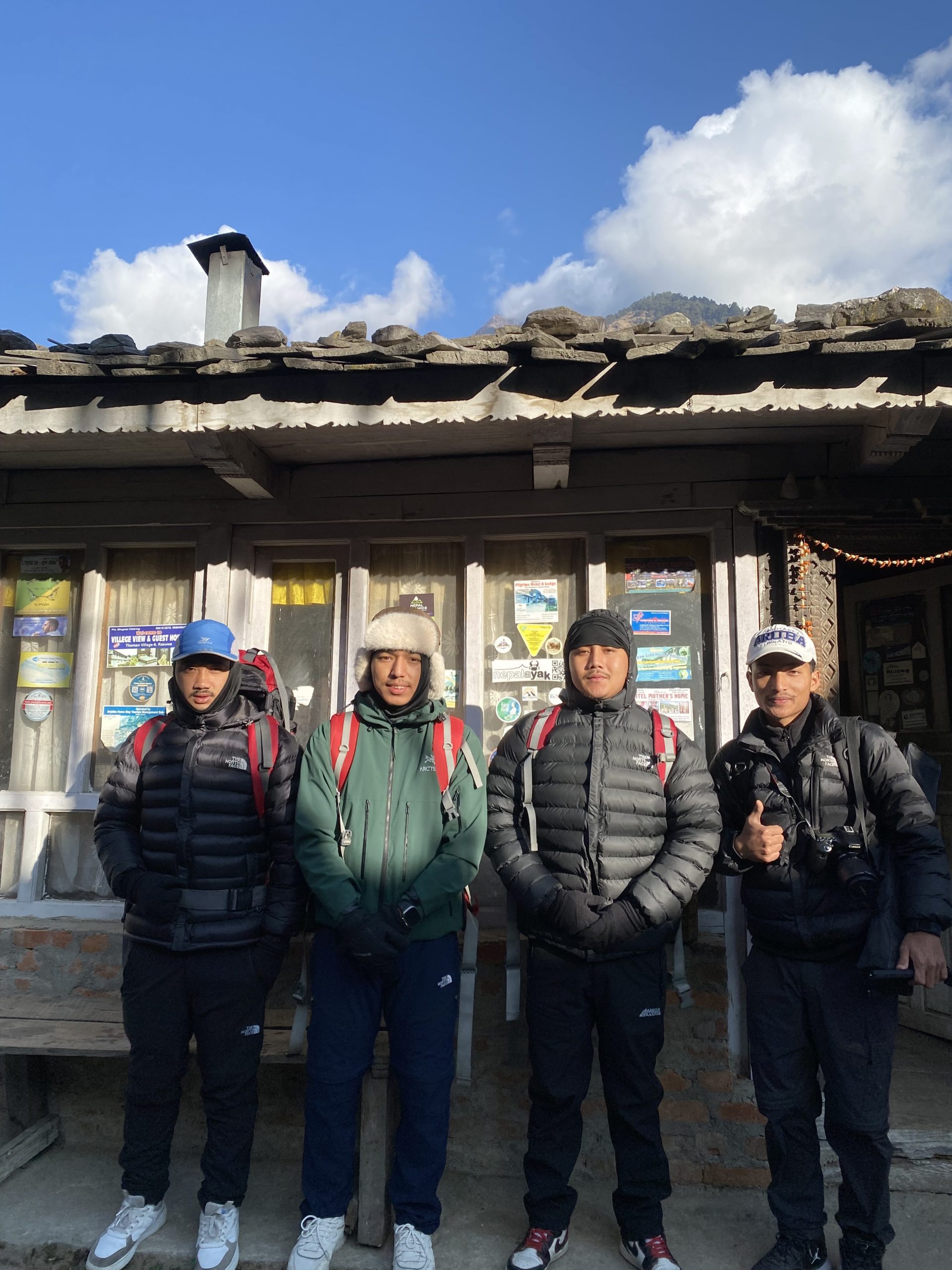
The Ruby Valley Trek is not defined by record-breaking altitudes or iconic summit photographs. Its rewards are subtler: a conversation with a village elder beneath a walnut tree, the sight of women weaving traditional textiles in afternoon light, the echo of bells from grazing yaks in a high pasture.

Even the physical challenges — long ascents, unpredictable weather, basic accommodation — contribute to its integrity. Comfort here is contextual, shaped by gratitude rather than expectation.

As the sun sets behind Ganesh Himal and the valley slips into shadow, the sky often fills with a scatter of stars unobstructed by artificial light. In that stillness, the magnitude of the Himalayas feels both humbling and grounding.

Travelers who complete the Ruby Valley Trek rarely describe it in superlatives. Instead, they speak of sincerity — of a journey that felt genuine, uncurated by mass tourism. In a world where remote places grow increasingly rare, Ruby Valley remains a testament to the enduring power of simplicity.

It is a reminder that the Himalayas are not only found in their highest peaks, but in the quiet valleys between them — where life continues at its own measured pace, and where the trail leads not just upward, but inward.


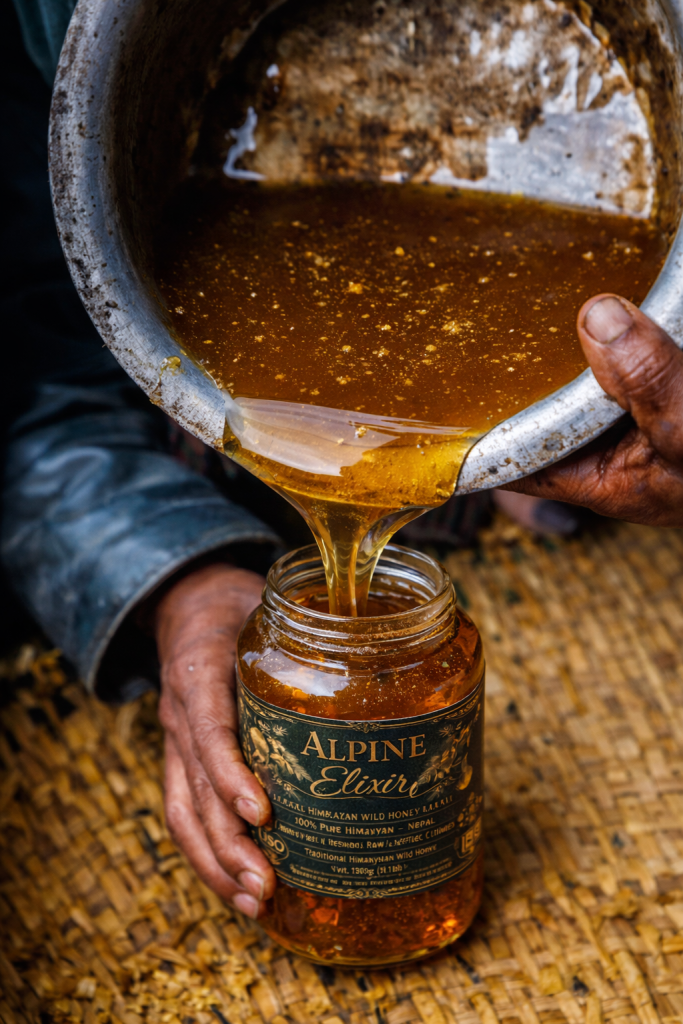
Alpine Elixir — High-Altitude Himalayan Mad Honey from Nepal

A Rare Himalayan Wellness Treasure, Ethically Harvested from the World’s Highest Cliffs


In the remote highlands of Nepal, where snow-cantled Himalayan peaks rise above ancient forests and wild alpine flowers bloom for only a few precious weeks each year, nature offers one of its most extraordinary delicacies: High-altitude Himalayan mad honey.

Alpine Elixir is a premium, collector-grade honey sourced from the pristine Himalayan regions of Rubivalley (Ganesh Himal area) and Langtang Valley, harvested at remarkable elevations of 2,800–3,500 meters above sea level. Produced by the Himalayan giant honeybee (Apis laboriosa) and nourished by rare wild rhododendron nectar, Alpine Elixir represents the purity, heritage, and ecological richness of Nepal’s mountain ecosystems.

This is not ordinary honey. Alpine Elixir is a rare seasonal offering — a luxury wellness delicacy shaped by altitude, tradition, and nature’s most demanding conditions. Carefully preserved in its raw, unheated, and unfiltered form, it is created for discerning global consumers who value authenticity, rarity, and ethical sourcing.


What Is Himalayan Mad Honey?

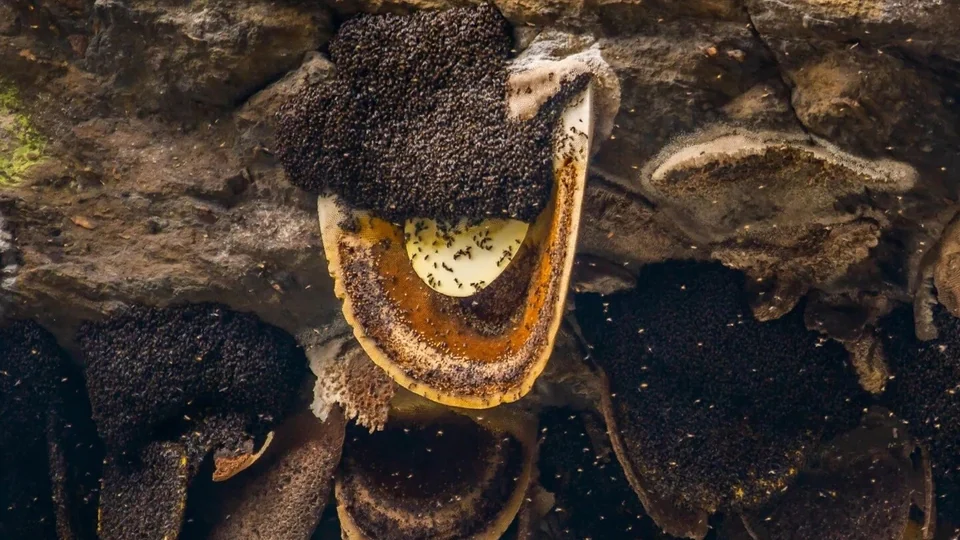
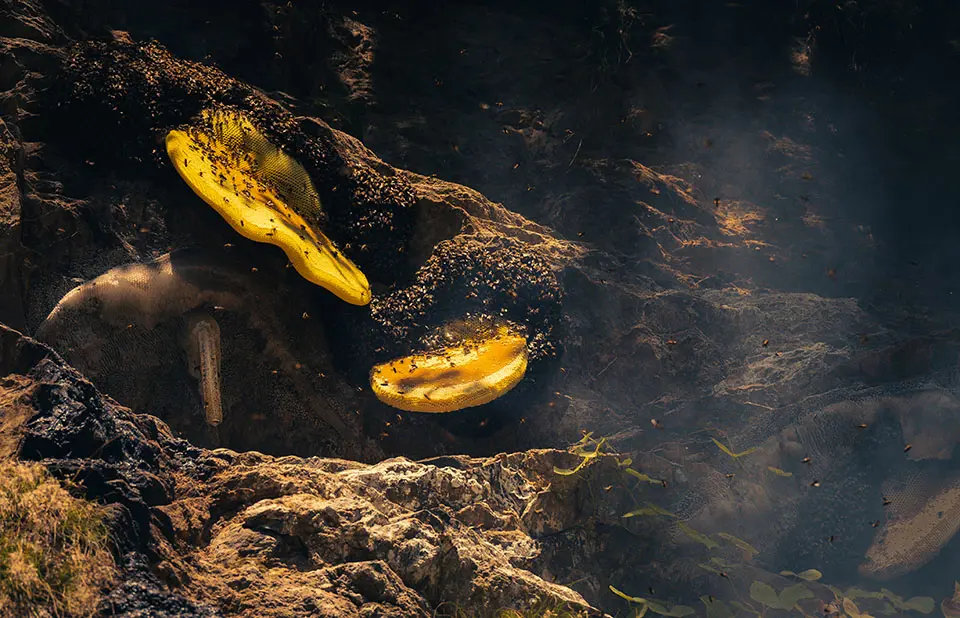
Himalayan mad honey is a unique wild honey produced by giant honeybees that build their hives on steep Himalayan cliffs. Unlike conventional floral honeys, mad honey is derived primarily from the nectar of wild rhododendron flowers, which grow only in high-altitude alpine environments.

This distinctive nectar contains naturally occurring compounds known as grayanotoxins, which give mad honey its characteristic potency and physiological effects when consumed in very small quantities. For centuries, mad honey has been valued not only for its rich flavor and deep aroma, but also for its long-standing reputation in Himalayan cultural wellness traditions.

It is important to understand that mad honey is biologically active and should be enjoyed responsibly and occasionally — not as an everyday sweetener, but as a rare artisanal product with a unique natural profile.


The Himalayan Origin: Rubivalley & Langtang

Alpine Elixir originates from two of Nepal’s most untouched and revered high-mountain honey regions:

  • Rubivalley (Ganesh Himal region)
  • Langtang Valley

These landscapes are defined by sheer cliffs, alpine forests, pure glacial air, and minimal human interference. At altitudes around 3,000 meters, flowering seasons are short, climates are extreme, and access is difficult — meaning honey production remains naturally limited.

The result is a honey that is exceptionally rare, highly prized, and deeply connected to the ecology of Nepal’s Himalayas. Every jar of Alpine Elixir carries the essence of wild mountain terrain, seasonal rhododendron blooms, and the pristine environment of one of the world’s highest honey-producing ecosystems.


Traditional Cliff Harvesting Heritage

One of the most remarkable aspects of Himalayan mad honey is the way it is harvested.

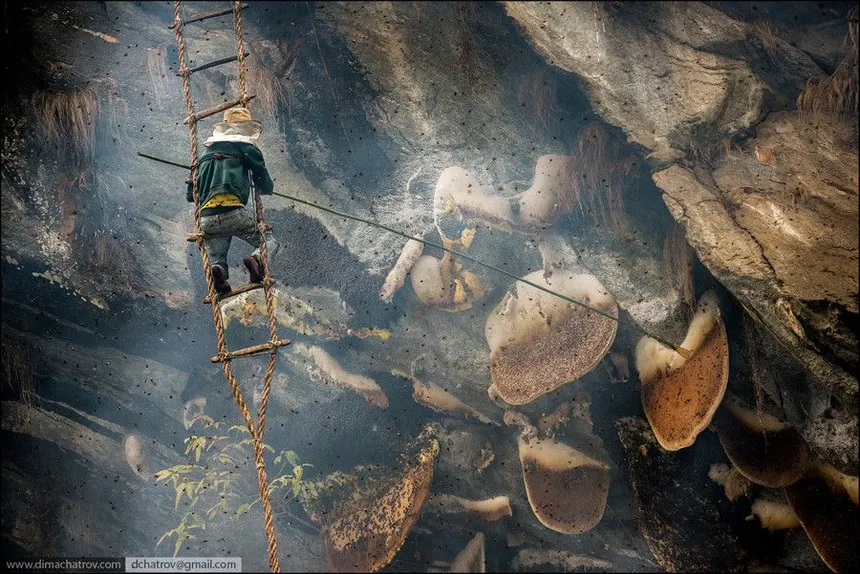
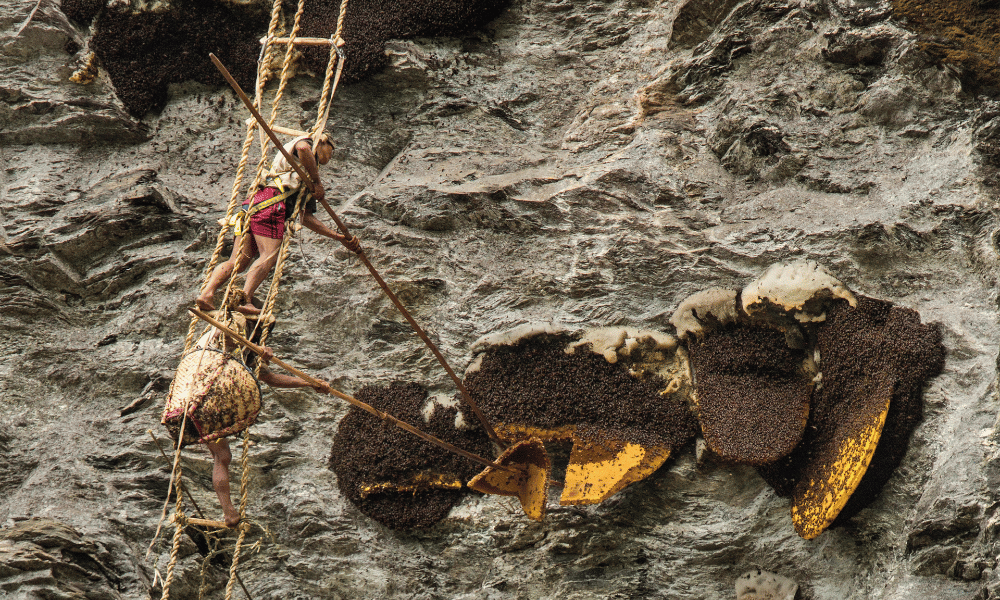
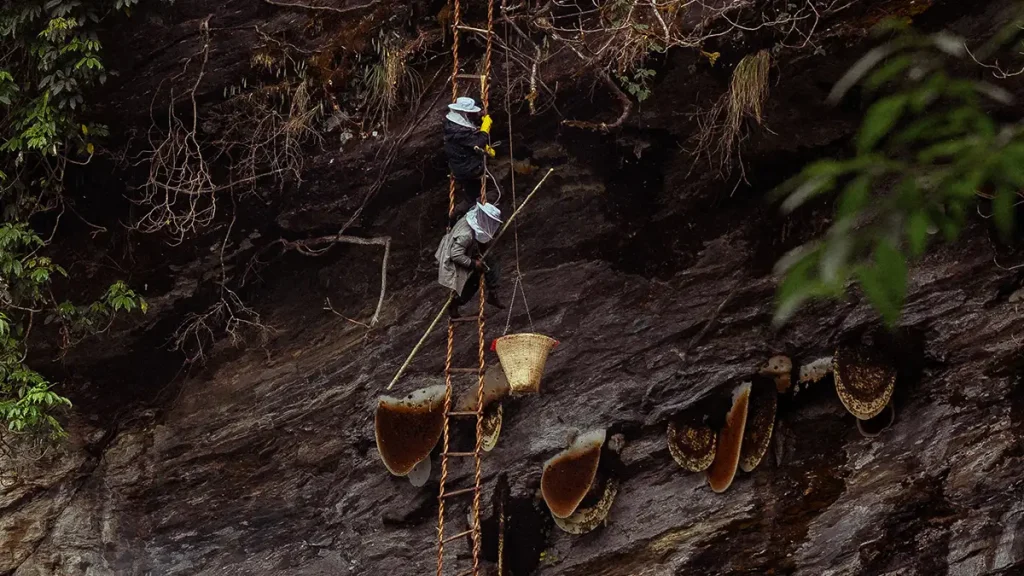
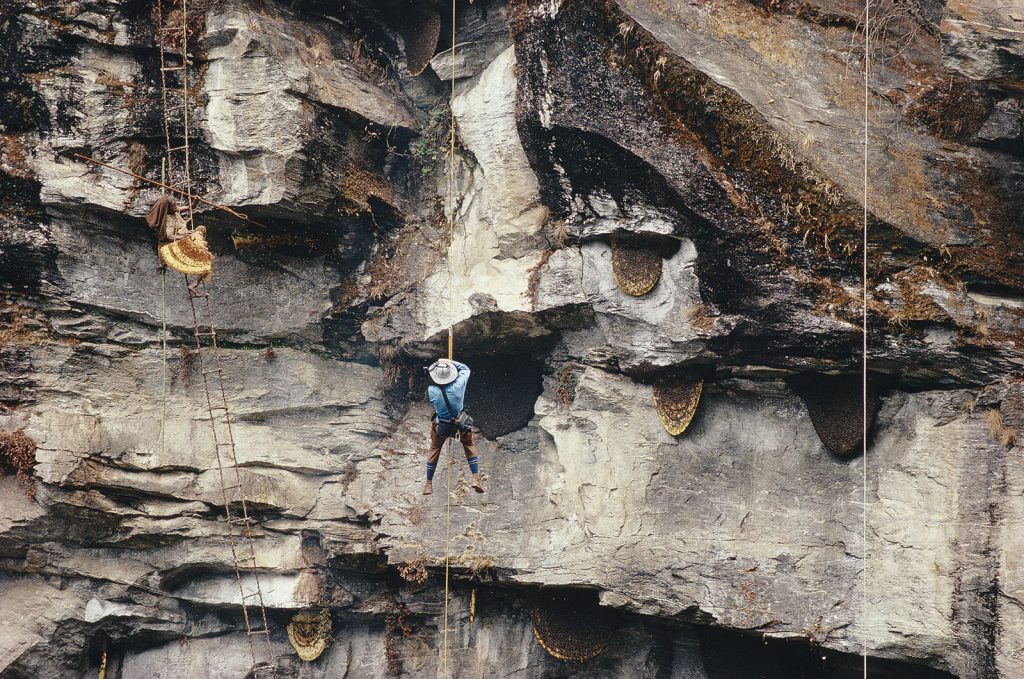
For centuries, indigenous Himalayan communities — including Gurung, Tamang, Magar, and other mountain groups — have practiced the dangerous and skillful tradition of cliff honey hunting. Honey hunters climb remote rock faces using handmade rope ladders or bamboo tools to reach massive wild hives built into vertical cliff walls.

This is not industrial farming. It is a profound human–nature relationship, passed down through generations, requiring courage, ecological knowledge, and deep respect for the bees.

Alpine Elixir supports ethical sourcing practices that honor:

  • Traditional livelihoods
  • Community benefit
  • Sustainability and habitat preservation
  • Minimal disturbance of wild colonies

Through responsible harvesting and fair community partnerships, Alpine Elixir represents a premium product rooted in heritage, not mass production.


Natural Characteristics of Alpine Elixir

High-altitude Himalayan mad honey has sensory qualities unlike any other honey in the world. Alpine Elixir is celebrated for its distinctive natural character:

  • Color: Deep amber to reddish brown
  • Taste: Strong, intense, slightly bitter or herbal
  • Texture: Thick to semi-liquid depending on season
  • Aroma: Wild floral scent with mountain herb notes

Its richness reflects both its rare rhododendron nectar source and the purity of the Himalayan environment. Each batch is naturally limited, shaped by altitude, seasonal bloom cycles, and wild ecosystem conditions.


Traditional Uses & Wellness Reputation

For generations, Himalayan communities have valued mad honey as a seasonal wellness tonic. Traditional practices — based on indigenous knowledge rather than modern clinical medicine — associate small amounts of mad honey with:

  • Digestive comfort
  • Relaxation and warmth
  • Seasonal mountain vitality
  • Joint and body comfort
  • General wellness ritual use

⚠️ Important: These traditional cultural uses are not clinically proven medical treatments. Alpine Elixir is not intended to diagnose, treat, cure, or prevent disease.

Instead, Alpine Elixir should be understood as a rare natural delicacy with deep cultural significance, best appreciated thoughtfully and responsibly.


Health & Safety Guidance (Very Important)

Because mad honey contains naturally occurring grayanotoxins from rhododendron nectar, it is far more potent than regular honey and must be consumed with care.

Recommended Responsible Use

Alpine Elixir should be enjoyed only in very small amounts:

  • Starting dose: A few drops
  • Maximum: ½ teaspoon or less
  • Frequency: Occasionally, not daily

Best Ways to Consume

  • Mixed into warm water
  • Added to herbal tea
  • Taken preferably on an empty stomach

Who Should Avoid Mad Honey

Mad honey is not suitable for:

  • Children
  • Pregnant or breastfeeding women
  • Individuals with cardiovascular or blood-pressure conditions
  • Anyone on medication without professional consultation

Possible Side Effects of Overuse

Excess consumption may cause:

  • Dizziness
  • Nausea or vomiting
  • Drop in blood pressure
  • Slow heart rate

In rare cases, severe overconsumption may require medical attention. Alpine Elixir is best appreciated as a rare delicacy, not a daily supplement.


Why Alpine Elixir Is Premium

Mad honey from Rubivalley and Langtang is considered among Nepal’s most premium natural products because of:

  • Harvesting from remote Himalayan cliffs
  • Production only once or twice per year
  • Short rhododendron flowering season
  • Extreme climate limiting supply
  • Traditional high-risk harvesting
  • Raw, unheated, unfiltered purity
  • No additives, dilution, or industrial processing

These factors make Alpine Elixir one of the rarest honeys available for global export — a luxury wellness product shaped entirely by nature and tradition.


Quality, Traceability & Export Standards

Alpine Elixir is produced and packaged by:

Mamba Organic and Agrolivestock Farm
Dhading, Nepal

We are committed to premium export-quality standards, including:

  • Small-batch seasonal harvesting
  • Careful preservation of raw honey integrity
  • Packaging designed to protect aroma and potency
  • Optional QR-based traceability and lab documentation
  • Ethical community sourcing practices

As international demand for Himalayan mad honey grows, authenticity and transparency matter more than ever. Alpine Elixir offers trust, heritage, and purity in every jar.


A Collector-Grade Himalayan Honey

Alpine Elixir is more than honey.

It is the essence of Nepal’s wild Himalayas — shaped by altitude, rare rhododendron blooms, traditional cliff heritage, and ethical sourcing. With its limited seasonal yield and respected traditional reputation, Alpine Elixir is a premium wellness delicacy meant to be enjoyed responsibly, thoughtfully, and in small amounts.

For discerning consumers worldwide, Alpine Elixir represents:

Purity. Tradition. Rarity. Himalayan Luxury.

Himalayan Wild (Mad) Honey of Nepal: Gold Drawn from Stone, Wind, and Time

High in the central Himalayas, where mountains rise so steeply they seem to tear the sky itself, honey is not collected—it is earned. At dawn, when the light first touches the cliffs, honey hunters begin their ascent. Rope ladders woven from bamboo and grass creak under their weight, suspended hundreds of meters above rushing rivers that are felt more than seen. There is no machinery here, no safety net beyond knowledge passed through generations. The air is thin, sharp, and alive. Giant honeybees, Apis laboriosa, circle their hives in disciplined arcs, their wings humming with warning and authority. When the hunter finally reaches the comb and cuts into it, thick amber honey spills slowly, heavy with altitude, memory, and danger. Each drop carries the silence of the mountain and the risk of the climb. This is the origin of Himalayan wild honey—often called mad honey—not a commodity born of convenience, but a substance shaped by geography, restraint, and respect.

Historically, Himalayan communities did not seek mad honey for novelty or intoxication. For centuries, it was harvested sparingly as part of seasonal life. Before the 18th century, its use was largely local—small quantities consumed during cold months, long journeys, or ceremonial occasions. Honey hunting was never casual; it was embedded in survival and spirituality. As trade routes expanded and knowledge traveled beyond the mountains, awareness of honey’s medicinal and preservative properties grew. By the late 18th and early 19th centuries, mad honey began to attract attention beyond its native valleys. Its rarity, strength, and difficulty of harvest elevated it from a subsistence product to one of the most valuable honeys in the world. This transformation was not driven by abundance, but by scarcity and risk.

The honey hunters themselves—primarily from Gurung, Tamang, Magar, and other Himalayan communities—are custodians of an ancient relationship with the land. Honey hunting is not merely a livelihood; it is cultural inheritance. Knowledge is passed orally, from elders to younger generations, including when to harvest, which hives to leave untouched, and how to read the mountain’s signs. Rituals often precede the harvest: prayers to the mountain, offerings to ensure safety, and gestures of respect toward the bees. The cliffs are never treated as conquered territory. Instead, they are approached with humility, acknowledging that humans are guests in a larger ecological order. This restraint is what has allowed honey hunting to survive for centuries without destroying the very systems that sustain it.

From a scientific perspective, mad honey’s effects are well documented yet often misunderstood. The grayanotoxins present in certain rhododendron nectars affect sodium channels in the nervous system, which can lead to symptoms such as dizziness, nausea, sweating, low blood pressure, or slowed heart rate when consumed in excess. Importantly, there is no laboratory test that directly measures grayanotoxin levels in the human body. Diagnosis relies on a careful history of consumption combined with observed clinical symptoms. Potency varies widely depending on floral source, altitude, harvest timing, and storage, which is why traditional communities emphasize extreme moderation.

Modern medical understanding treats mad honey intoxication as manageable with appropriate care. In most cases, supportive treatment—including intravenous saline infusion and atropine sulfate—has proven effective in stabilizing patients. In rare severe instances, temporary cardiac pacing or Advanced Cardiac Life Support (ACLS) bradyarrhythmia protocols may be required. With proper monitoring, most individuals recover fully within six to twenty-four hours. This medical reality reinforces what Himalayan cultures have always known: mad honey is powerful, but not reckless when respected.

Within traditional Himalayan wellness practices, mad honey has long been valued not as a daily supplement, but as a seasonal tonic used in extremely small amounts. Indigenous knowledge associates it with digestive comfort, warmth during cold months, relaxation, and general vitality. Like all raw honey, it possesses natural antibacterial and antifungal properties. These perspectives are cultural rather than clinical, grounded in lived experience rather than laboratory trials, and they exist alongside clear caution against overuse.

One of the most remarkable aspects of mad honey is its longevity. Honey is one of the few foods on Earth that does not spoil when stored properly. Archaeologists have famously discovered honey over 3,000 years old in Egyptian pyramids that remained edible. Himalayan wild honey shares this natural preservation. Over time, its color may darken and its psychoactive potency may gradually diminish, but its nutritional and traditional medicinal qualities remain stable. There is no true expiry date—only a slow transformation shaped by time.

Traditionally, consumption guidelines are strict and universal across Himalayan regions. A half teaspoon or less is considered sufficient, taken occasionally rather than regularly. Mad honey is never combined with alcohol or other psychoactive substances, and it is not recommended for children, pregnant women, or individuals with heart or blood-pressure conditions. These guidelines are not modern regulations; they are survival knowledge refined over generations.

In recent years, global demand for Himalayan wild honey has increased dramatically, particularly in parts of Asia, Europe, and North America. Its rarity, harvesting risk, and cultural narrative have positioned it within premium wellness and specialty food markets. However, this demand has also introduced serious challenges, including counterfeit products, dilution, and misrepresentation. Without transparency and ethical sourcing, both consumers and mountain communities are at risk of exploitation.

The future of Himalayan wild honey depends on restraint and respect. Overharvesting threatens bee populations, fragile cliff ecosystems, and cultural continuity. Sustainable, community-led harvesting models—where local people control timing, quantity, and pricing—offer the only viable path forward. Mad honey cannot be industrialized without destroying its essence. It survives only when humans know when to stop.
Himalayan wild honey is more than a substance. It is a living relationship between humans and mountains, bees and flowers, risk and reverence. Each drop carries altitude, ancestry, and silence. In a world obsessed with speed and abundance, mad honey stands as a reminder that the rarest things are not produced—they are permitted. High above the valleys, where wind rules and time slows, the mountains still decide who may taste their gold.

Through Mountains and Memories: Our Seven-Year Trek Plan to Rubi Valley

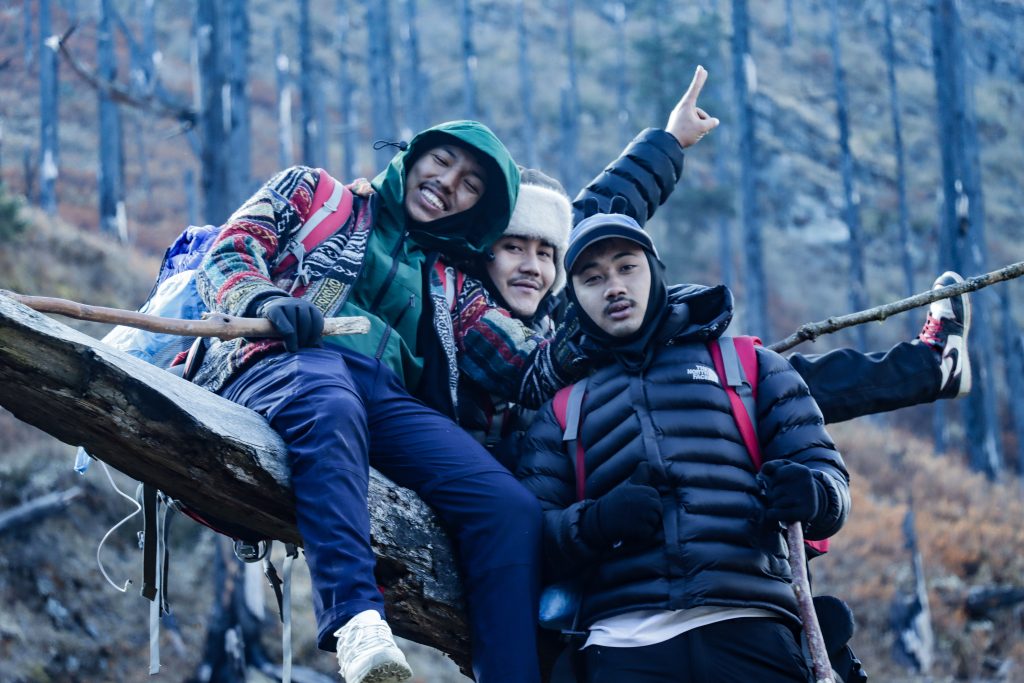
For seven long years, we dreamed of it— Bikash, Pritam, Sachin Gurung, and I. Whispered hopes under the stars, countless classroom stories, and endless planning finally led us to Rubi Valley. What awaited us was more than a trek; it was a journey that would test our endurance, deepen our friendships, and immerse us in Nepal’s hidden landscapes and timeless cultures. Every step promised adventure, every trail revealed wonder, and every night offered reflection.

We left Kathmandu in the early morning, bidding farewell to the city’s hum and chaos. The 7-8 hour drive through Langtang National Park was breathtaking. Narrow, winding roads clung to cliffsides, while terraced fields, cascading rivers, and snow-capped peaks stretched endlessly around us. Passing Trisuli Bazaar, Ramche Gaon, and Dhunche, the world transformed from urban bustle to alpine serenity.

Arriving in Gatlang, a Tamang village perched at 2,337 meters, we felt the first true heartbeat of Rubi Valley. That evening, we gathered around a fire, flames dancing in our eyes. Local drinks warmed our hands, laughter echoed through the village, and joining the Tamang people in traditional dances made us feel part of something timeless. The chill in the air faded in the warmth of community, and for the first time, the trek truly felt alive.

The trail to Parbati Kunda was a lesson in both beauty and effort, weaving through dense pine and rhododendron forests. The lake itself, named after Goddess Parvati, shimmered like a mirror, reflecting the sky and our own excitement. Nestled near a quaint Gumba, it became our playground for skipping stones, capturing reflections, and soaking in serenity. A nearby cheese factory added a taste of local life, a reminder that adventure often walks hand-in-hand with culture.

The hike to Yuri Kharka was steep and rocky, testing our stamina and resolve. Yet, in this remote meadow, we danced, shared stories, and reflected on life’s paths. The mountains seemed to listen, their silence amplifying our laughter and conversation.

As night fell, we embarked on a midnight trek to Somdang. Walking for three hours beneath a starlit sky, we felt both fear and exhilaration. Every careful step across uneven terrain was a mixture of thrill, trust, and awe. By the time we reached the valley, fatigue melted into wonder. Campfire stories and the sparkling night sky became companions, etching memories that will linger forever.

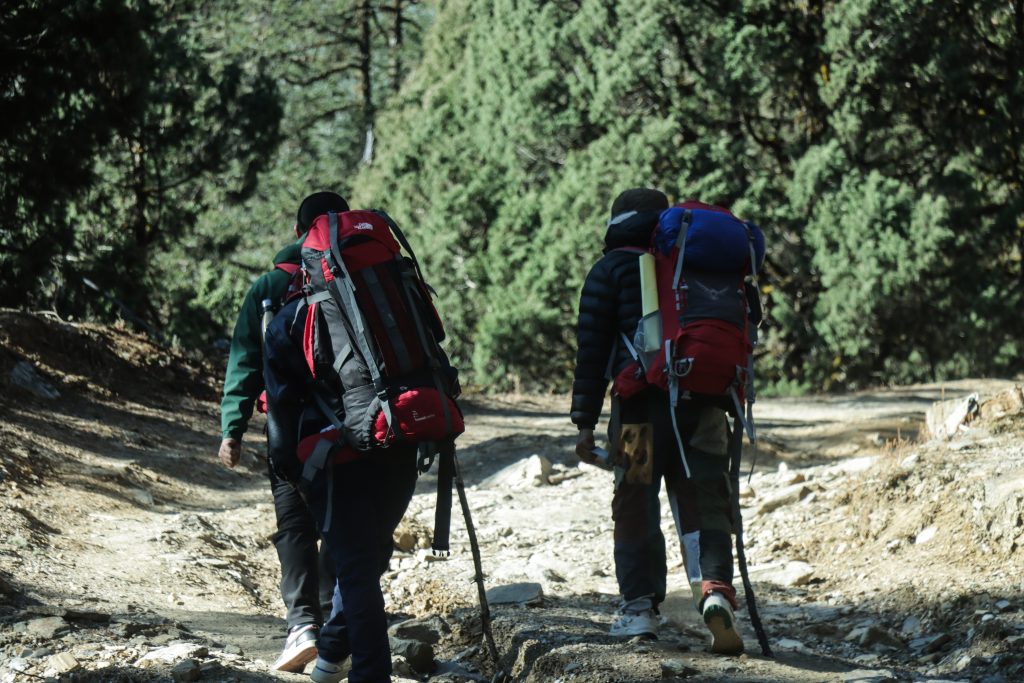
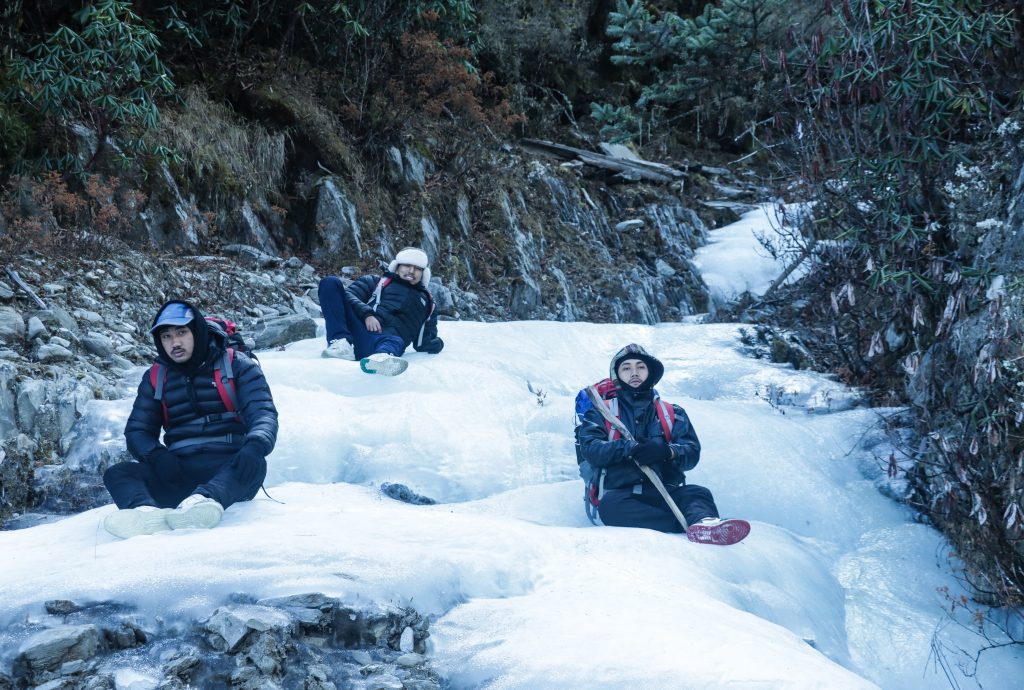
We awoke to crisp mountain air, preparing for one of the trek’s most demanding days. Ascending Pangsang La Pass, at 3,842 meters, tested our physical limits, but the panoramic views of Mount Manaslu and the Ganesh Himal Range made every step worthwhile. Alpine meadows stretched like green carpets, dotted with wildflowers, while icy streams and ridges reminded us of nature’s beauty and challenge in equal measure.

Descending toward Tipling, the morning mist rolled over fir and rhododendron forests. Every photograph captured the landscape, but the laughter, camaraderie, and shared struggle were ours alone. That evening, we set up a fire, cooked an organic dinner, and let stories, dreams, and laughter fill the night. Tipling became the heart of our adventure, where intimacy, friendship, and reflection blended seamlessly with the wild.

This day’s descent offered a gentle walk, taking us through Shertung and Chalish Gaon. Crossing clear tributaries, strolling through serene jungles, and observing lush fields reminded us that even short treks can hold immersive experiences. Meeting Gurung, Tamang, and Dalit communities, we glimpsed how culture, tradition, and nature coexist harmoniously.

In the evening, we discovered the natural hot springs near the hotel. Warm, mineral-rich waters washed away fatigue and provided spiritual calm—a first-time experience none of us will forget. That night, a cozy fire camp and BBQ at Pentisya Rubi Valley Organic Hotel wrapped the day in warmth. The hotel staff went above and beyond, arranging a private jeep to Borang, serving wholesome organic food, and offering care and guidance with genuine warmth. This perfect blend of adventure, culture, and hospitality proved that even remote treks can be elevated by thoughtful human touch.

Our final day was a mix of reflection, gentle trekking, and scenic drives. Hiking to Borang and descending to Lishne Khola, we took in the serene villages and landscapes one last time. The jeep ride through Ankhu Khola and Kimdang Phedi villages was a rolling farewell to the mountains.

By journey’s end, we were tired, sore, and exhilarated. The Rubi Valley trek had strengthened our friendships, tested our resilience, and connected us with nature and culture in ways no ordinary adventure could. Every uphill climb, every river crossing, and every step through misty valleys had left impressions far deeper than the physical journey.

Our time in Rubi Valley was a profound lesson in life: shared challenges strengthen bonds, nature inspires awe, culture teaches humility, and solitude fosters reflection. Dancing with villagers, savoring local cuisine, hiking under starlit skies, and soaking in hot springs all reminded us that adventure is as much about discovery as it is about presence.

We owe heartfelt gratitude to Himalayan Trails and Tales, whose meticulous planning, guidance, and dedication turned a seven-year dream into reality. Their professionalism, care, and passion allowed us to focus on the adventure, the magic of the valley, and the memories we would carry forever.

Seven years of dreaming culminated in seven days of exhilaration, laughter, struggle, and discovery. From fire camps to alpine meadows, from midnight treks to natural hot springs, the journey was not merely a trek—it was a celebration of friendship, courage, culture, and nature. The memories we created, the lessons we learned, and the bonds we forged will live long after the final step, leaving stories to cherish, reflect on, and share for a lifetime.

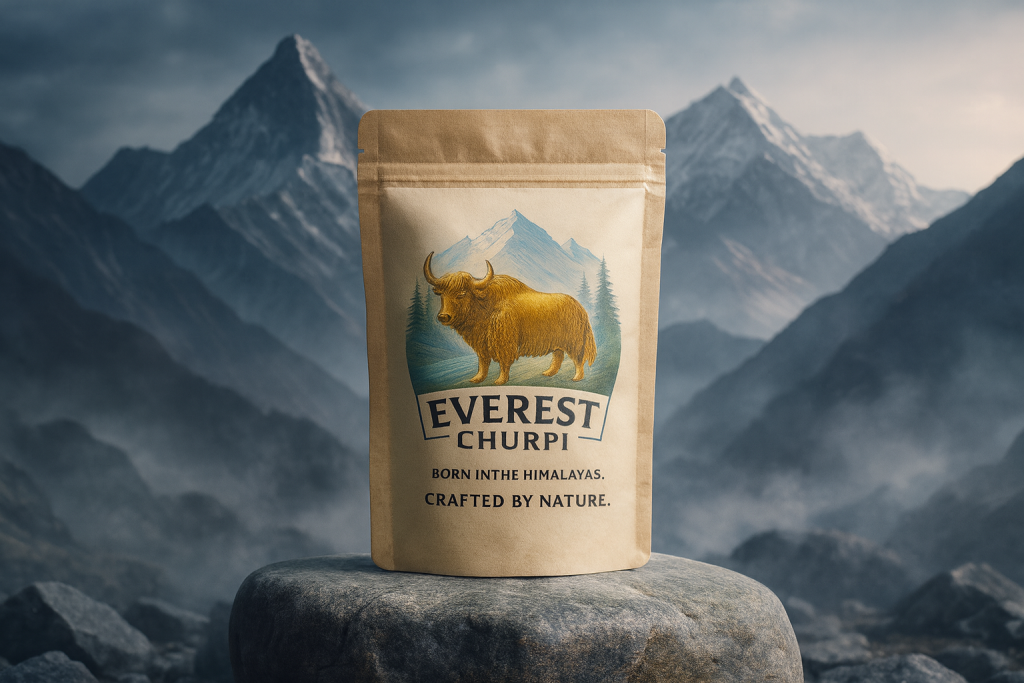
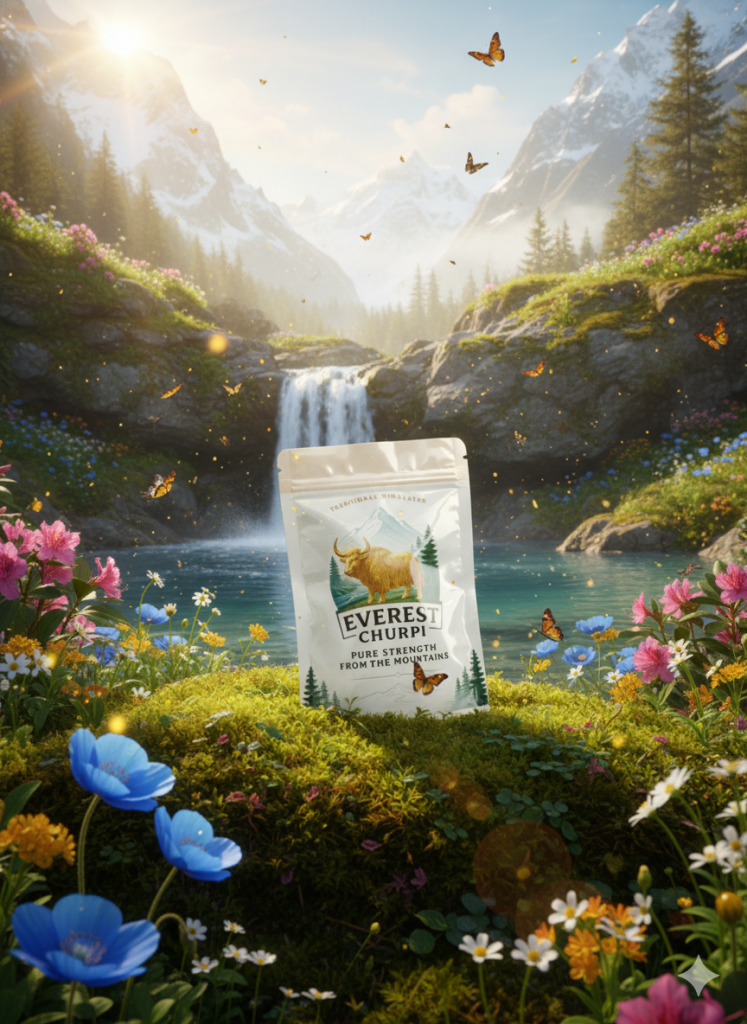
Everest Churpi – A Story Born From the Himalayas

In the vast, echoing silence of the Himalayas—long before city lights flicker awake or markets begin to stir—the mountains witness a sacred moment of their own. The first light of dawn touches the snowy peaks like a gentle blessing, turning them gold for a fleeting heartbeat. As the world below sleeps, the Himalayas breathe, alive with wisdom older than history. In this untouched cradle of clouds and cold winds, a yak herder named Dorje rises from his stone home, wrapped in thick wool woven by his mother decades ago. The air outside is sharp and clean, carrying with it the quiet power of the mountains. Every breath feels like inhaling purity itself.

Dorje walks out with deliberate steps, his boots sinking into the frost-covered earth. His yaks, massive and gentle creatures shaped by centuries of Himalayan resilience, recognize him instantly. Their deep, rumbling breaths swirl into the morning air like smoke rising from ancient incense. Dorje calls them softly—his voice steady and familiar, a sound that has echoed through generations of herders before him. These animals are more than livestock; they are companions, lifelines, partners in survival against the harshness of the high-altitude world.

With careful hands warmed by the morning fire, Dorje begins collecting the fresh yak milk. The milk, warm and thick, flows like liquid gold from an animal that has roamed free across wild meadows, grazing on medicinal Himalayan herbs and drinking from glacial springs. This pure milk carries the untouched essence of the mountains—its silence, its strength, its spirit.

Back in his small kitchen—walls darkened by years of smoke and stories—the transformation begins. A pinewood fire crackles under a large iron pot, radiating warmth that battles the freezing wind creeping through cracks in the stone. The milk is poured slowly, as if entering a sacred vessel. Dorje stirs it with a wooden paddle carved by his grandfather’s hands, the wood polished smooth by decades of use. He stirs not with haste but with devotion, understanding that the beauty of churpi lies in patience, in respect for time and tradition.

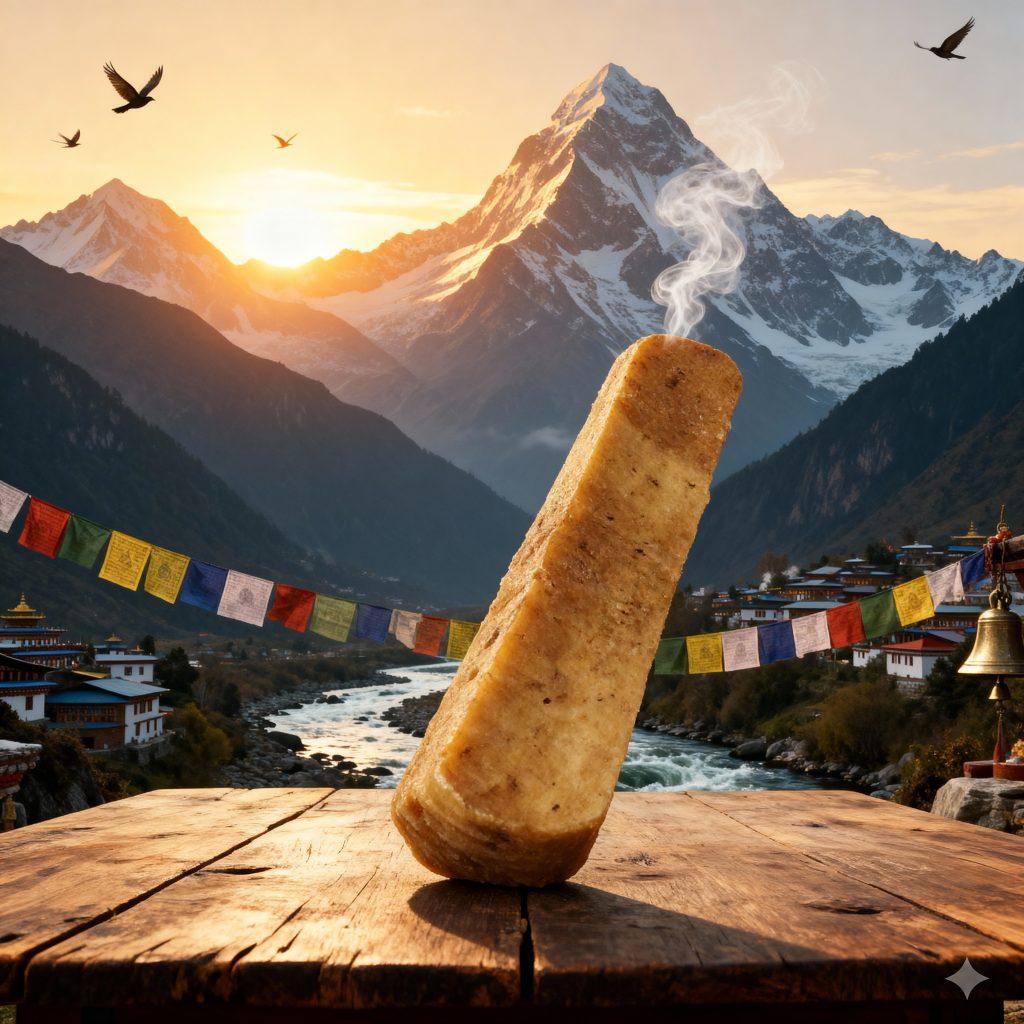
As the milk begins to curdle, the aroma drifts through the home—a warm, comforting fragrance that symbolizes family, survival, and heritage. The thickened milk is wrapped carefully in a cloth and pressed beneath a heavy river stone. Hours later, the blocks are taken outside, laid under the cold Himalayan air where the wind chisels them slowly, day after day, transforming them into the hard, long-lasting churpi that mountain families have relied on for generations. This is a process shaped not by machines, but by nature and handcraft—from the fire that warms it to the frost that perfects it.

For Dorje and countless herders like him, churpi is more than a food. It is the story of their people. It is a legacy passed from parent to child, preserved in taste, touch, and memory. Each piece carries the resilience of mountain life, the humility of hard work, and the blessing of the Himalayas themselves.

Today, Everest Churpi exists to bring this ancient gift to the world without losing an ounce of its authenticity. The brand honors every step taken by herders like Dorje. Everest Churpi works directly with Himalayan communities, ensuring fair wages, ethical sourcing, and respect for traditional craft. Every churpi is cleaned, dried, and packaged using modern quality standards, yet the soul inside remains exactly the same—the same process, the same purity, the same spirit of the mountains.

When you choose Everest Churpi, you choose far more than a chew. You choose the story of the Himalayas. You choose the dedication of farmers whose entire lives revolve around the rhythm of nature. You choose the heritage of families who have kept this craft alive despite the challenges of altitude, weather, and isolation. You choose to support children whose futures depend on these traditions thriving. You choose a product shaped by cold winds, warm hands, ancient mountains, and pure intention.

Everest Churpi is not just something you taste—it’s something you feel.

A connection.

A bridge.

A living bond between you and the highest peaks on earth.

It is a taste of history, a piece of culture, and a tribute to the mountain hearts who made it possible.

Into the Heart of the Himalaya: An Unforgettable Adventure Through Nepal’s Mountains and Culture

A cinematic travel article for a world built of mountains, mystery, and meaning.

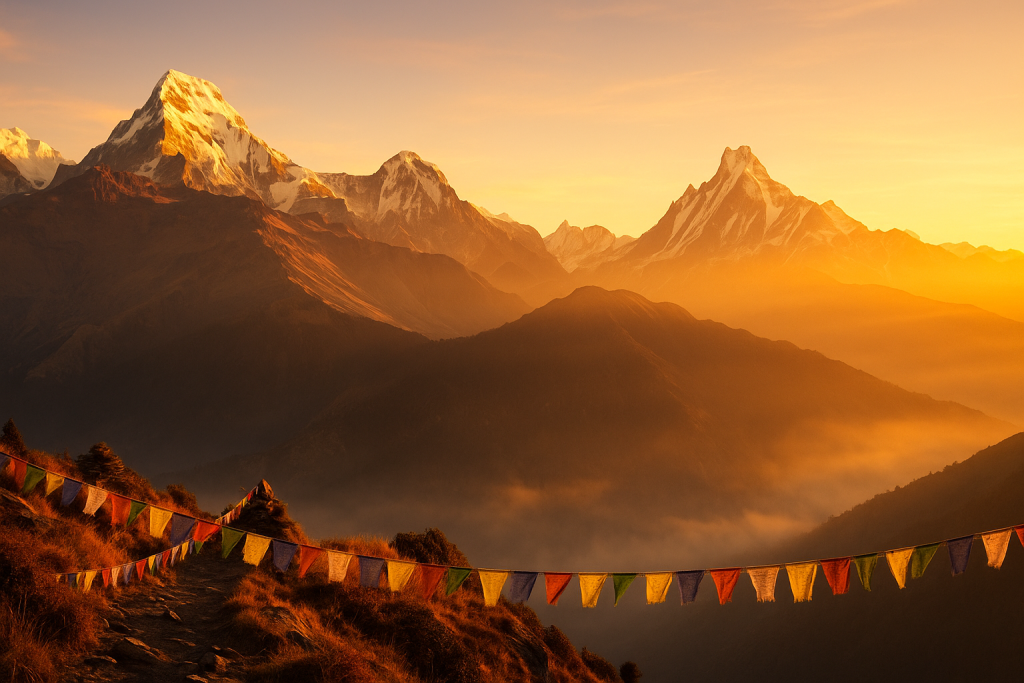
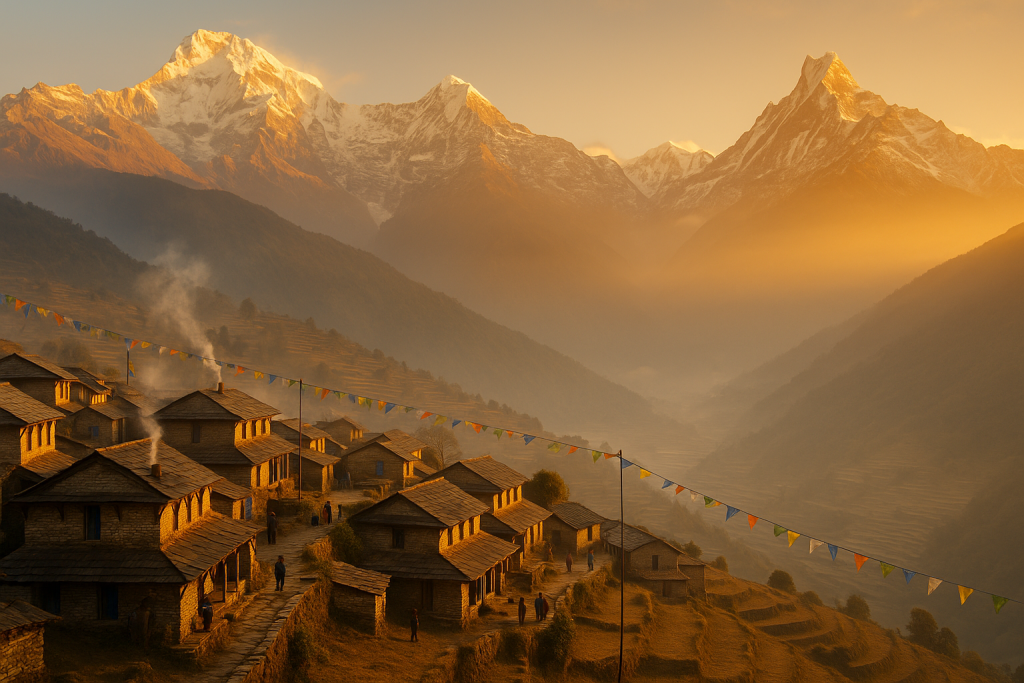
Golden dawn light spreads across the Annapurna range as prayer flags flutter above mist-filled Himalayan valley

Dawn in the Himalaya feels like a sacred blessing. The first golden light touches the snow peaks, turning them into glowing towers of fire and ice. Prayer flags dance in the cold wind, carrying silent prayers across valleys carved by time. Stepping into Nepal is like walking into a world where mythology breathes through mountains, rivers hum ancient hymns, and every stone seems to remember a thousand stories. In that quiet, magical beginning, the traveler feels something stir—a sense that this journey will reshape the soul in ways no map could ever show

The adventure begins in Kathmandu’s vibrant chaos, where incense drifts from temples older than memory and monks chant at sunrise near Boudhanath Stupa. From there, the path leads to Pokhara, where Machhapuchhre reflects perfectly in Phewa Lake like a dream floating on water. Packing for the trek, the traveler feels a fusion of excitement and humility, knowing the mountains ahead offer both beauty and challenge. This is not just a physical journey—it is a search for clarity, escape from city life, and a deeper understanding of Nepal’s living heritage.

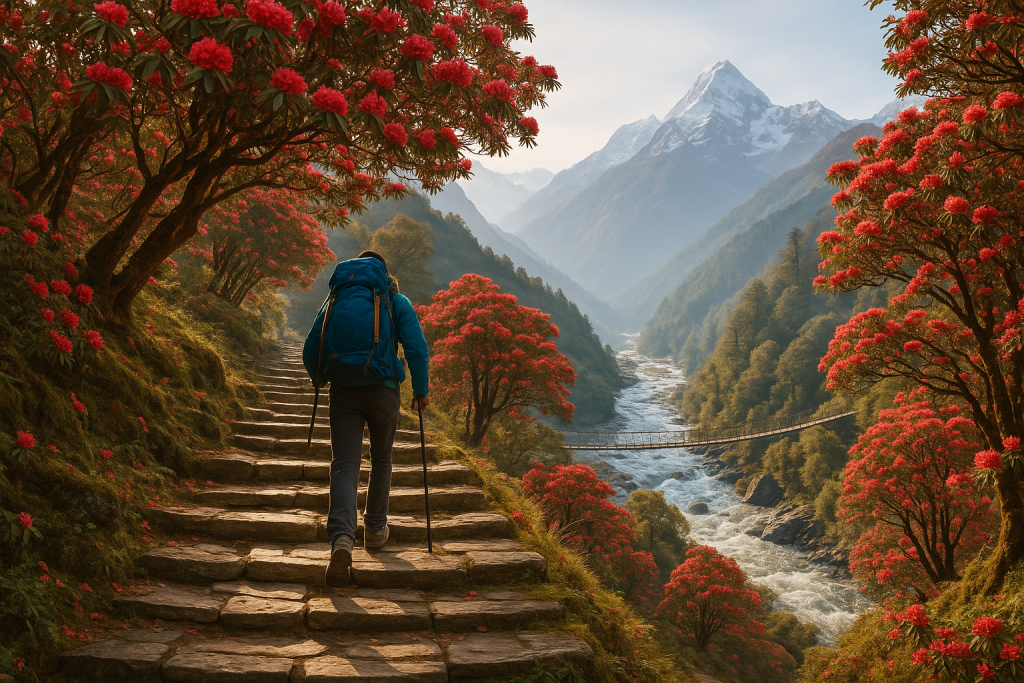
The Himalayan trail rises in a rhythm that matches the heartbeat—stone steps weaving upward through dense rhododendron forests alive with birdsong and the gentle bells of passing yaks. Suspension bridges sway over thunderous rivers fed by ancient glaciers. As the altitude climbs, pine trees give way to windswept cliffs and crisp air that tastes like freedom. Snow begins to appear like scattered pearls across the path, and the world grows quieter, more sacred. The thrill of adventure blends with the weight of respect; each step forward feels like entering a deeper layer of the mountains’ spirit.

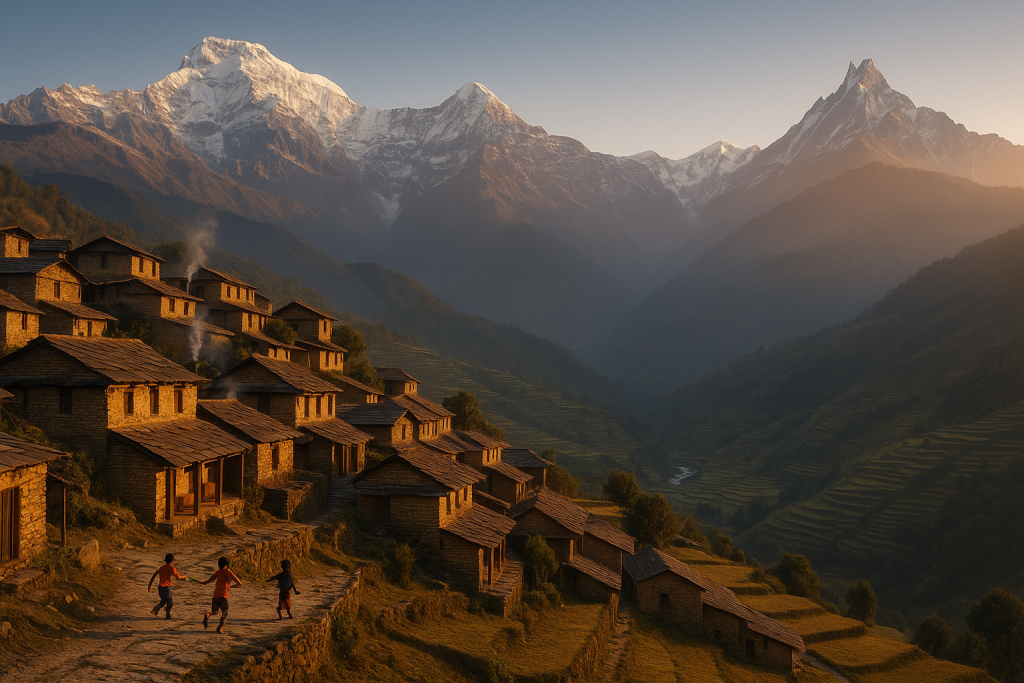
Stone-roofed Gurung homes warm under sunset light while children play above the terraced hills and towering peaks.

High in a Gurung village, the traveler finds warmth in the simplicity of mountain life. Stone houses glow in the evening light, children laugh barefoot along the alleys, and families gather around crackling fires to share stories of ancestors, festivals, and the wisdom of respecting the land. One elderly man, his voice deep with years, shares a gentle truth: “The mountains reveal themselves only to patient hearts.” The next morning, that wisdom comes alive as sunrise ignites Annapurna in golden brilliance—a moment so powerful that it humbles the soul and reminds the traveler why people call the Himalaya the realm of gods

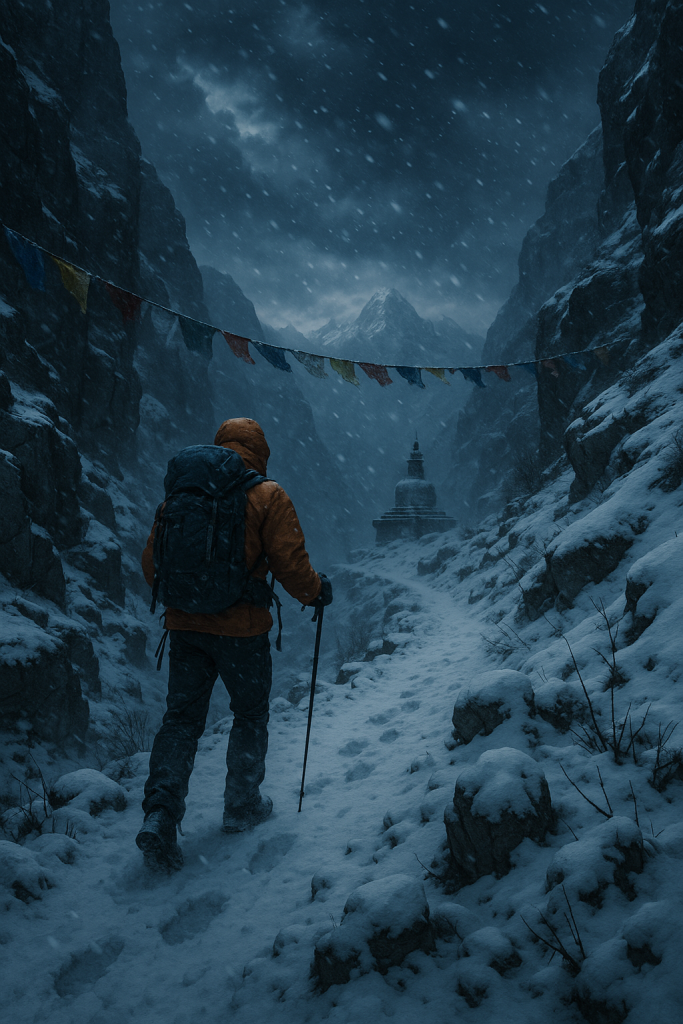
A lone trekker climbs ancient stone steps through vibrant rhododendron blooms toward the snow-capped mountains.

But no great journey is complete without challenge. A sudden snowstorm rolls in, the wind howling like a living force, visibility shrinking to a blur of white. Altitude tightens the lungs, exhaustion presses down, and fear flickers—but the guide’s steady voice keeps the traveler moving: “One step at a time.” When shelter is found at last, a profound understanding settles in: the mountains are not conquered; they are respected. Leaving the Himalaya brings a quiet ache—yet also gratitude, clarity, and a promise to return. Begin your Himalayan journey with us and discover the Nepal that lives in every heartbeat of the mountains.

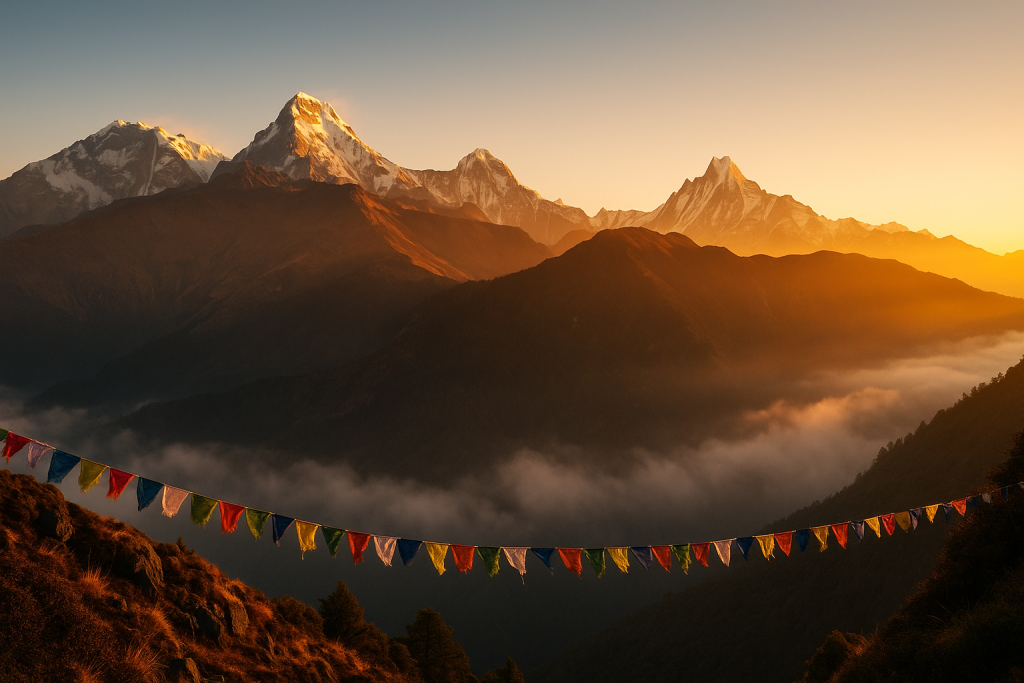
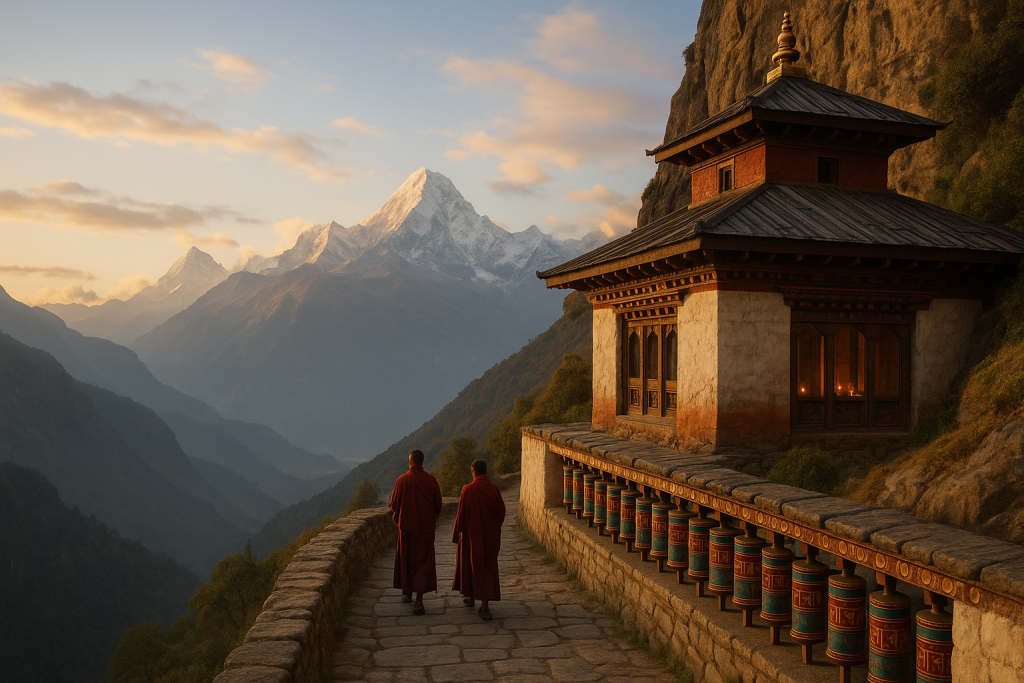
Golden hour sunlight touches a cliffside monastery overlooking clouds wrapped around the glowing Annapurna peaks.

Whispers of the High Himalaya: A Journey Beyond the Trails

: In the land where mountains breathe and silence speaks, every footstep becomes a story.

The Himalaya does not reveal herself easily. She waits—silent, patient—allowing only those who move with respect, curiosity, and humility to enter her world. My journey began long before my boots touched the mountain trails of Nepal. It began with a longing to understand what lies behind the snow peaks that rise like sacred guardians across the northern sky.

When I finally set foot in the highlands, the air was thinner, but the world felt larger. Villages clung to cliffs like stubborn dreams. Rivers cut through stone with ancient determination. And above everything, the mountains watched, unmoving, eternal.

This is the story of my walk through those mountains—a journey of breath, struggle, kindness, and moments that carved themselves into memory like the ridgelines of the Himalaya.

The trail began in the warmth of lowland forests—bamboo bending gently, rhododendrons whispering in the wind. But as I climbed higher, the world changed. The forest thinned. The wind carried the distant call of ravens. The clouds moved differently, swirling low enough to touch the tips of pine trees.

I met an old shepherd along the way. His face was a map of valleys and years.

“Up there,” he said, pointing toward the distant ridges, “the mountains listen. Walk softly.”

His words stayed with me.

As the path twisted upward, each step demanded breath, strength, and patience. My heartbeat seemed to echo through the entire valley. Yet, with every struggle came reward—glimpses of faraway peaks glowing like crystal towers in the sun.

After hours of climbing, I reached a village perched so high that it felt closer to the clouds than the earth. Stone houses lined narrow pathways, smoke rising from wooden roofs as families prepared their evening meals. Children ran barefoot over cold stones, laughing as if the mountains themselves played with them.

Despite the chill in the air, the village felt warm—alive with stories.

That evening, I sat by the hearth of a Gurung family. Flames danced on the walls as the grandmother brewed butter tea. The grandfather, his voice deep and grounded, spoke of winters when the snow reached doorways, of festivals where villagers danced under full moons, and of soldiers who traveled far but never forgot their home.

“People think the Himalaya is only mountains,” he said. “But the Himalaya is people too.”

His words hung in the smoky air, warm and true.

Between Night and Dawn

Before dawn, the entire village slept under a blanket of silence. Only the wind moved, brushing against prayer flags that fluttered like the breath of the mountains.

I climbed a small ridge behind the village to watch the sunrise.

The world slowly shifted from darkness to a deep blue. The peaks stood like shadows—massive, still, ancient. Then the first beam of sunlight touched the highest summit. It was as if the mountain itself awoke, lighting up piece by piece.

Snow began to glow. The air shimmered. The whole landscape transformed into a painting of gold and ice.

In that moment, I understood why people call the Himalaya “Deviko desh”—the land of the gods.

As I continued my journey, the mountains became my companions. Their shapes changed with every turn, each peak carrying its own personality—stern, playful, mysterious, wild.

I passed yak caravans, their bells echoing across the valleys. I met monks walking barefoot to remote monasteries. I saw blue sheep grazing on impossible cliffs.

But the most unforgettable encounter was with a young girl shepherding her goats. She stood fearless on a rocky slope, wind tugging at her scarf.

“Are you not afraid?” I asked.

She smiled, shaking her head. “Why fear the mountains? They know us. We grow up under them.”

Her voice held a confidence stronger than the stone beneath my feet. It was then I realized—the Himalaya raises people with a different kind of courage.

In the Himalaya, weather is a ruler with unpredictable moods. One moment the sky was clear and endless, and the next moment clouds gathered like a silent army. The wind sharpened. The trail grew darker.

Snowflakes began to fall—soft at first, melting on my gloves. Then heavier. Soon the world turned white, and the path disappeared beneath my feet.

For a moment, fear whispered at the back of my mind. But far ahead, through the swirling snow, I saw the dim outline of a chorten—a stone stupa built by travelers to guide others.

Step by step, I followed it. The mountains may be unforgiving, but they also leave signs for those who look carefully. Eventually, the snow thinned, and the sky cracked open once more, revealing a band of sunlight on the distant ridge.

Relief washed over me like a warm hand.

The Monastery Above the World

Higher still, I reached a monastery built on a ledge where the sky felt impossibly close. Prayer wheels lined the entrance, spinning gently in the mountain wind. A young monk greeted me with a humble smile.

Inside, butter lamps flickered, casting golden light on ancient statues. The air smelled of juniper and incense. The chanting of monks drifted softly through the courtyard—calm, rhythmic, eternal.

I asked the head monk what the mountains meant to him.

He closed his eyes and answered, “The mountains do not speak, but they teach. Whoever walks here learns who they truly are.”

It was the most perfect description of the Himalaya I had ever heard.
As the sun dipped low, the mountains turned shades of pink and purple. Smoke rose from distant villages. The sound of a river echoed from far below like the heartbeat of the earth.

Wrapped in a woolen blanket, I sat on a ridge watching the night arrive.

Stars appeared—slow at first, then in thousands. The Milky Way stretched across the sky like a glowing river, brighter than I had ever seen.

Everything felt vast. Beautiful. Infinite.

And for the first time in a long time, I felt small in the best possible way.

Conclusion – What the Himalaya Gave Me

When I finally descended back toward the lowlands, the world seemed different—not because the mountains had changed, but because I had.
The Himalaya taught me:

Patience, in the slow rise of trails

Strength, in the thin air of high altitudes

Humility, before peaks that have stood for ages

Connection, with strangers who felt like family

Silence, that speaks louder than words

Traveling through the Nepali Himalaya is not just a journey across landscapes—it is a journey through yourself.
The mountains do not ask for anything.

They simply invite you to listen.

And once you listen, you are never the same again

Nepal’s Authentic High-Altitude Heritage Snack

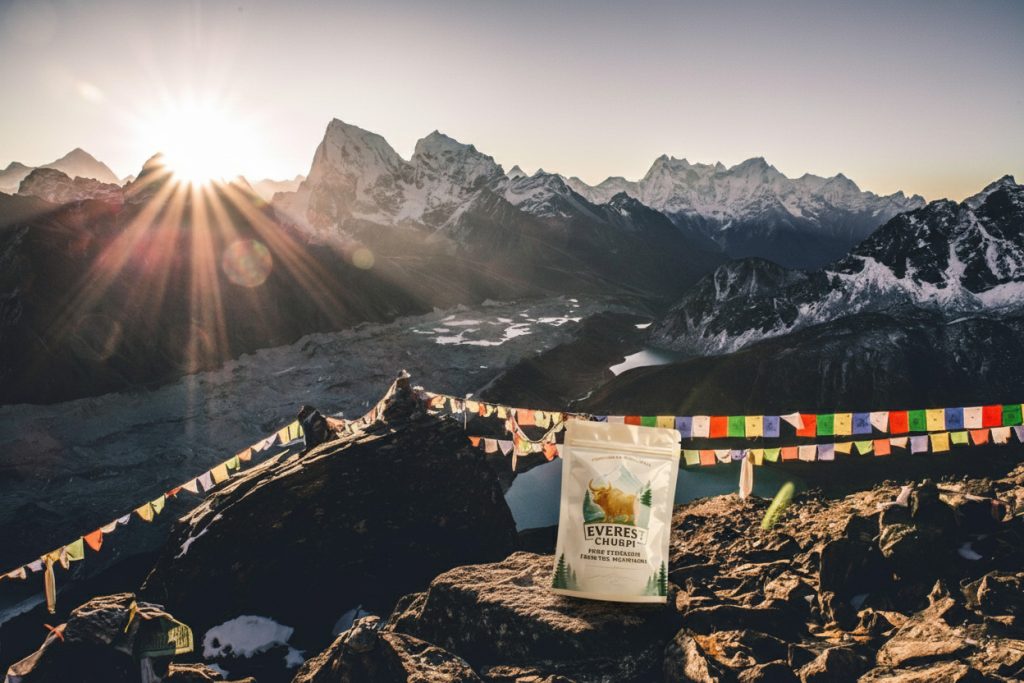
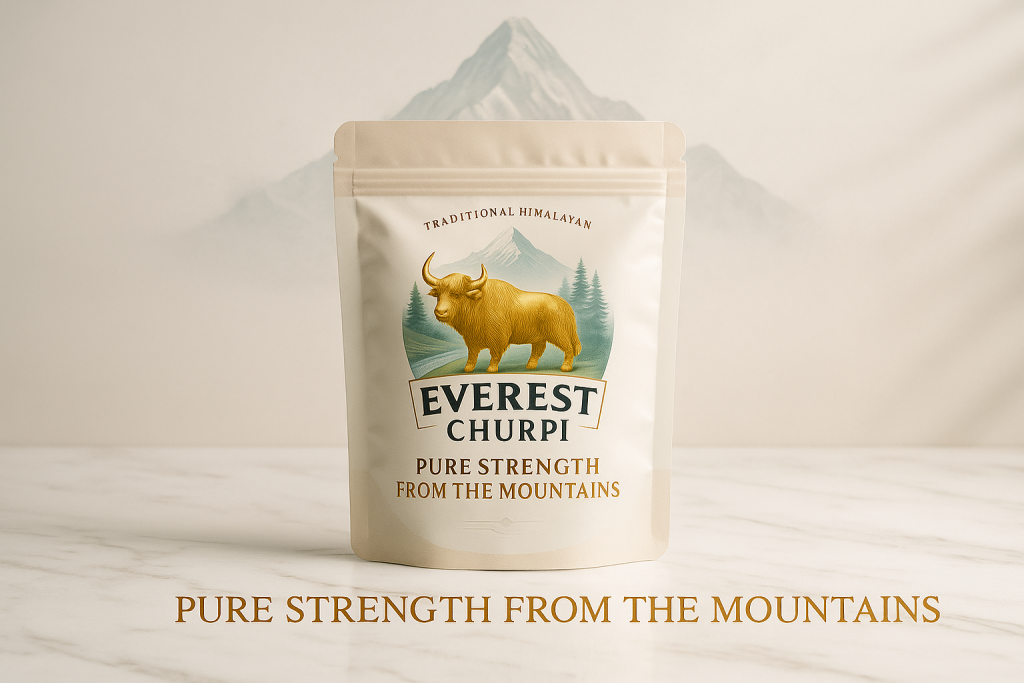
From the heart of Nepal’s towering Himalayas comes a remarkable creation—Everest Churpi, a hardened cheese snack as resilient and enduring as the land it is born from. For centuries, yak-herding communities have relied on this slow-crafted delicacy for strength, survival, and nourishment in the harshest altitudes on Earth. Today, Everest Churpi stands as a symbol of Himalayan purity, culture, and the quiet power of simplicity.

Himalayan Purity, Refined”

Crafted from pure yak and cow milk sourced from high-altitude pastures, this traditional chew undergoes a meticulous process of heating, curdling, pressing, and air-drying in the crisp mountain wind. What emerges is more than food—it is a piece of the mountains themselves, preserved through ancient knowledge and natural conditions that cannot be replicated anywhere else.

In a world filled with artificial flavorings and fast solutions, Everest Churpi stands apart. Its strength lies not in complexity, but in the uncompromised honesty of its ingredients: milk, salt, and natural lime juice. There are no preservatives, no additives—only the purity of Himalayan craftsmanship.

Strength Carved by the Mountains”

Each piece takes nearly three weeks to perfect. As the cheese slowly hardens under sun, wind, and cold, it transforms into a dense, protein-rich bar capable of lasting months—even years. This remarkable shelf life once sustained travelers, farmers, and mountain herders on long journeys. Today, it continues to fuel adventurers, athletes, and health-conscious consumers around the world.

Beyond nutrition, Everest Churpi carries something deeper: a connection to the mountains and the people who call them home. Each chew softens slowly, teaching patience—a quiet reminder that all things of value take time. In many ways, Churpi mirrors the Himalayan way of life: grounded, strong, and shaped by nature’s rhythm.

With 70g of protein per 100g, a high mineral content, and naturally low fat, it stands as one of the cleanest, most wholesome snacks Nepal has ever produced. Its rise in international markets has also brought sustainable support to local families, helping preserve traditional agriculture and rural livelihoods.

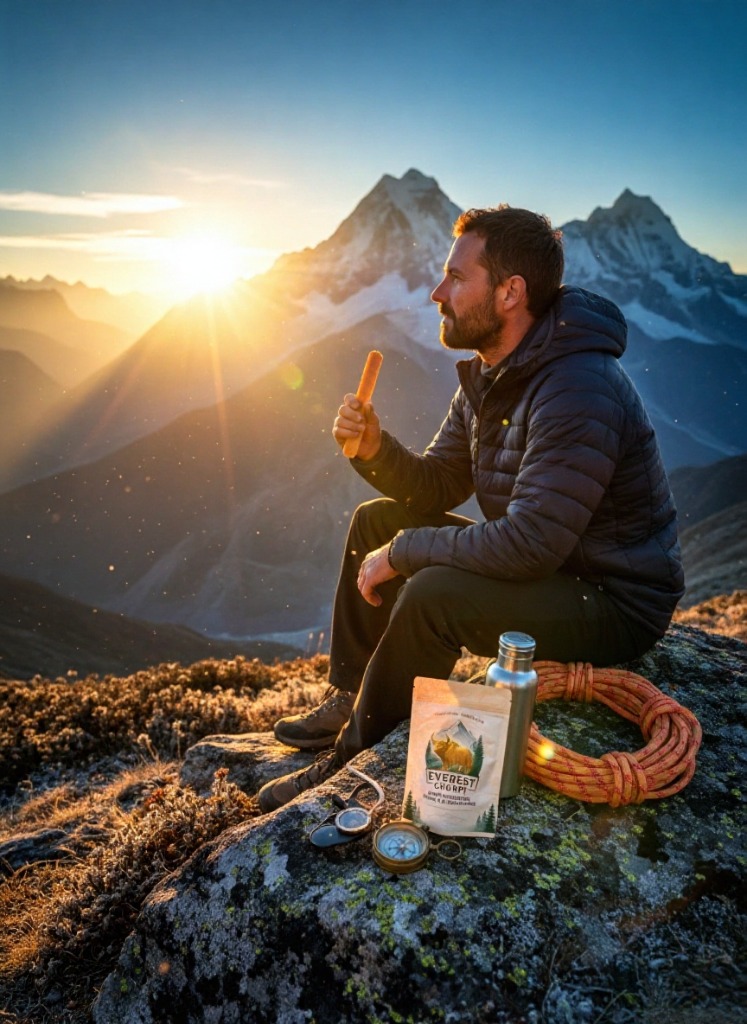
Everest Churpi is no longer just a local staple—it has evolved into a premium Himalayan indulgence, admired for its authenticity and nutritional value. Whether enjoyed during a trek, paired with tea, used as a natural dog chew, or savored slowly as a mindful snack, it offers an experience unlike any other.

In every pack lies heritage, purity, and strength—a tribute to the mountains that shape the spirit of Nepal.

Ruvi Valley: Nepal’s Hidden Himalayan Gem

Exploring Untouched Landscapes, Rich Culture, and Timeless Traditions

Enchanted Forests of Ruvi Valley — nature at its purest, destiny’s best creation.

From the moment I left Kathmandu, heading north toward Syabrubesi, I felt the city’s chaos melt away as the Himalayas unfolded before me. The seven to eight-hour drive along winding roads through Trisuli Bazaar, Ramche Gaon, and Dhunche offered glimpses of terraced hills, rushing rivers, and snow-capped peaks that promised adventure and serenity. By the time I reached Syabrubesi, the gateway to Langtang National Park, I was filled with anticipation. The calm of the mountains already felt like home, and the journey ahead promised discovery at every step.

Setting out from Syabrubesi, I trekked to Gatlang, a beautiful Tamang village perched on the hillside. We stopped at Chawatar for a simple, fresh lunch of locally grown vegetables — a taste of the valley’s natural abundance. Walking through Gatlang, I was immersed in Tamang culture: fluttering prayer flags, traditional homes, and warm smiles welcomed me into the heart of the community. Staying in a homestay, sharing meals, and learning about local life offered an authentic Nepalese experience I will never forget.

The trek continued to Parvati Kunda, a sacred alpine lake named after Goddess Parvati. Its crystal-clear waters mirrored the surrounding mountains, offering a moment of serene reflection amidst breathtaking natural beauty. Hiking further through dense pine and rhododendron forests, I reached Yuri Kharka for lunch, then pressed on to Somdang, a remote valley where silence itself felt alive. On the way, I explored an old, closed mine that once produced rubies, zinc, copper, and tin, a hidden treasure revealing the valley’s natural richness.

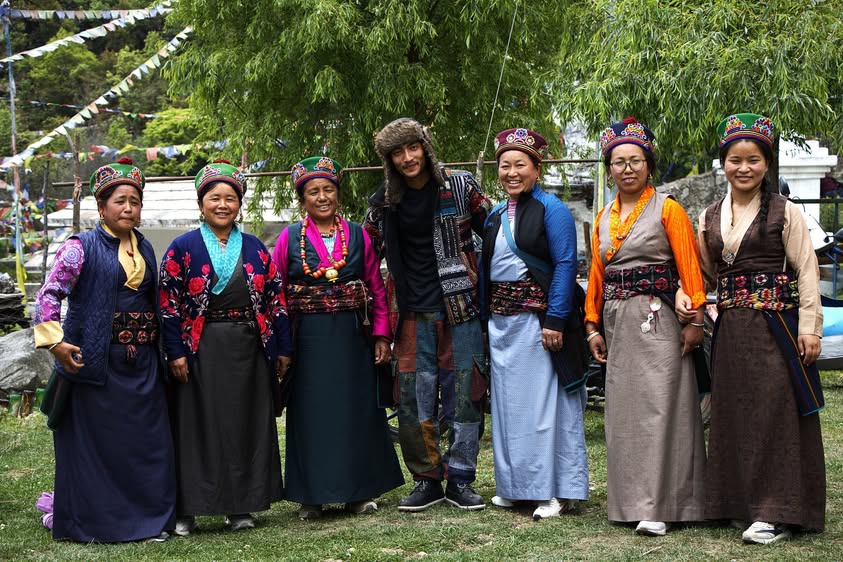
Gatlang Women in Cultural Dress — honored to capture a moment with the amazing local women showcasing their rich Tamang heritage.

One of the most exhilarating experiences was crossing Pangsang La Pass (3,842 m). The ascent challenged me physically, but every step was rewarded with sweeping views of Ganesh Himal, Manaslu, and Langtang Himal. From the high meadows of Pangsang Kharka, I felt dwarfed yet inspired by the towering peaks around me. The descent to Tipling through dense fir and rhododendron forests revealed villages perfectly nestled within the landscape — a striking example of humans living in harmony with nature.

A journey through culture, nature, and unforgettable mountain magic

Exploring the sister villages of Shertung and Chalish Gaon, I witnessed the valley’s rich cultural tapestry. Gurungs, Tamangs, and Dalits preserve vibrant traditions, celebrating festivals like Lhosar and Buddha Jayanti, while practicing sustainable farming that respects the land. Terraced fields, flowing streams, and traditional homes create a picturesque harmony. Each interaction with the locals offered insight into their connection with this pristine environment, making me realize that the valley’s cultural heritage is as valuable as its natural beauty.

“Where time stands still — ancient stones, old wooden beams, and the timeless soul of the village. History lives in every corner here.”

The trek concluded with a descent to Borang, followed by a scenic jeep ride through Ankhu Khola and Kimdang Phedi villages to Dhading Besi. Along the way, I passed serene settlements and rivers, each scene reflecting a life closely intertwined with nature. Returning to Kathmandu, I carried more than memories of snow-clad peaks and lush valleys — I carried a deep appreciation for the delicate balance of nature, culture, and community that defines Ruvi Valley.

What makes Ruvi Valley extraordinary is its seamless blend of breathtaking landscapes, rich biodiversity, and enduring cultural traditions. The valley is home to organic farms, alpine lakes, waterfalls, dense forests, musk deer, and the national bird, Danphe. But its true value lies in the harmony of people and nature. Visiting Ruvi Valley reminds us that every trek carries a responsibility: to tread lightly, respect local traditions, support eco-tourism, and protect the environment.

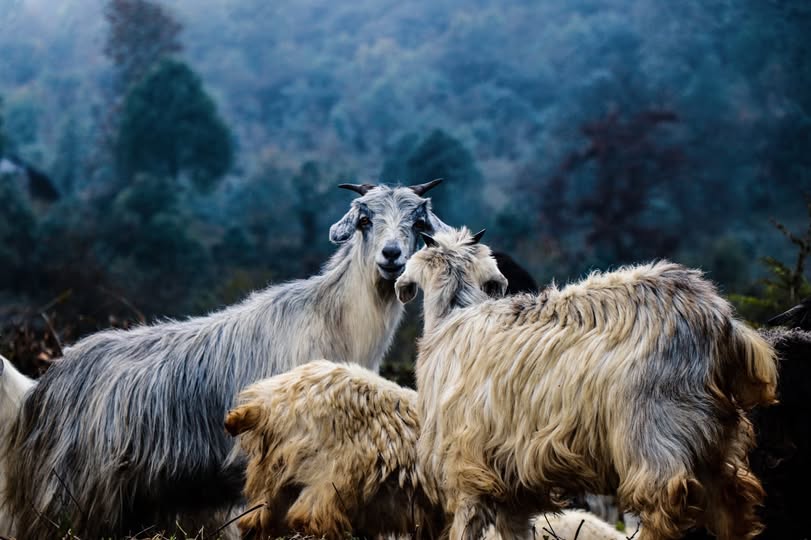
Himalayan Goats — simple mountain life at its finest, wild and wonderful.

Standing atop a hill as the sun dipped behind the mountains, I watched golden light spill across terraced fields, rivers, and distant peaks. In that moment, I understood that Ruvi Valley is more than a destination — it is an experience, a lesson, and a celebration of life in harmony with nature. Every step deepened my connection to this hidden paradise and reinforced a simple truth: responsible travel and preservation are the keys to ensuring that this Himalayan treasure continues to inspire awe for generations to come.

Ganesh Himal Evening View — the mountains glowing like gold as the sun sets.

Introducing this amazing city

A wonderful serenity has taken possession of my entire soul, like these sweet mornings of spring which I enjoy with my whole heart. I am alone, and feel the charm of existence in this spot, which was created for the bliss of souls like mine. I am so happy, my dear friend, so absorbed in the exquisite sense of mere tranquil existence, that I neglect my talents. I should be incapable of drawing a single stroke at the present moment; and yet I feel that I never was a greater artist than now. Read More “Introducing this amazing city”