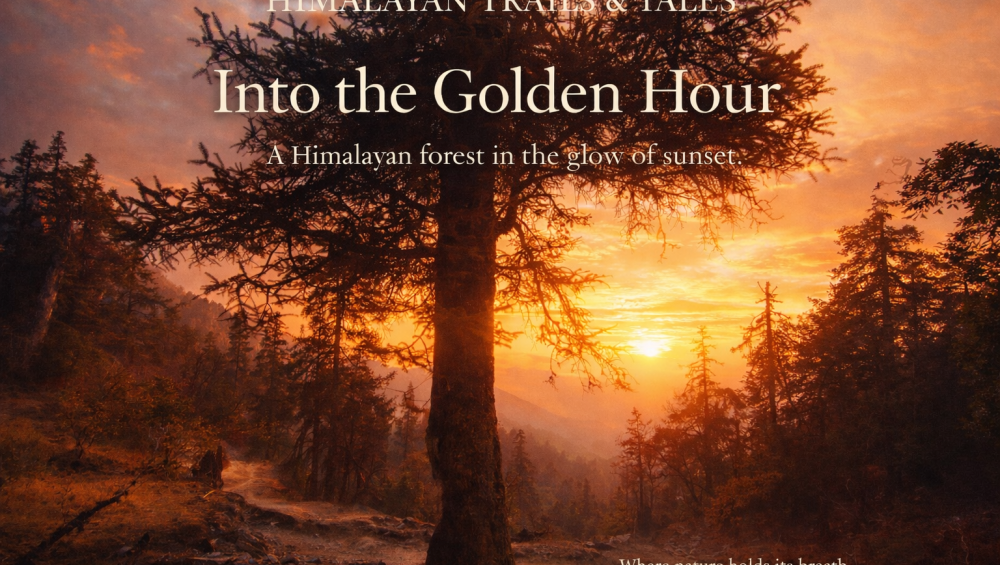
Ruby Valley: A Lesser-Known Himalayan Region of Nepal Journeying Through Nepal with Himalayan Trails & Tales
In the folds between Ganesh Himal and Langtang, where trails are still shaped by footsteps rather than crowds, Ruby Valley offers a rarer kind of journey one measured in human connection as much as altitude.
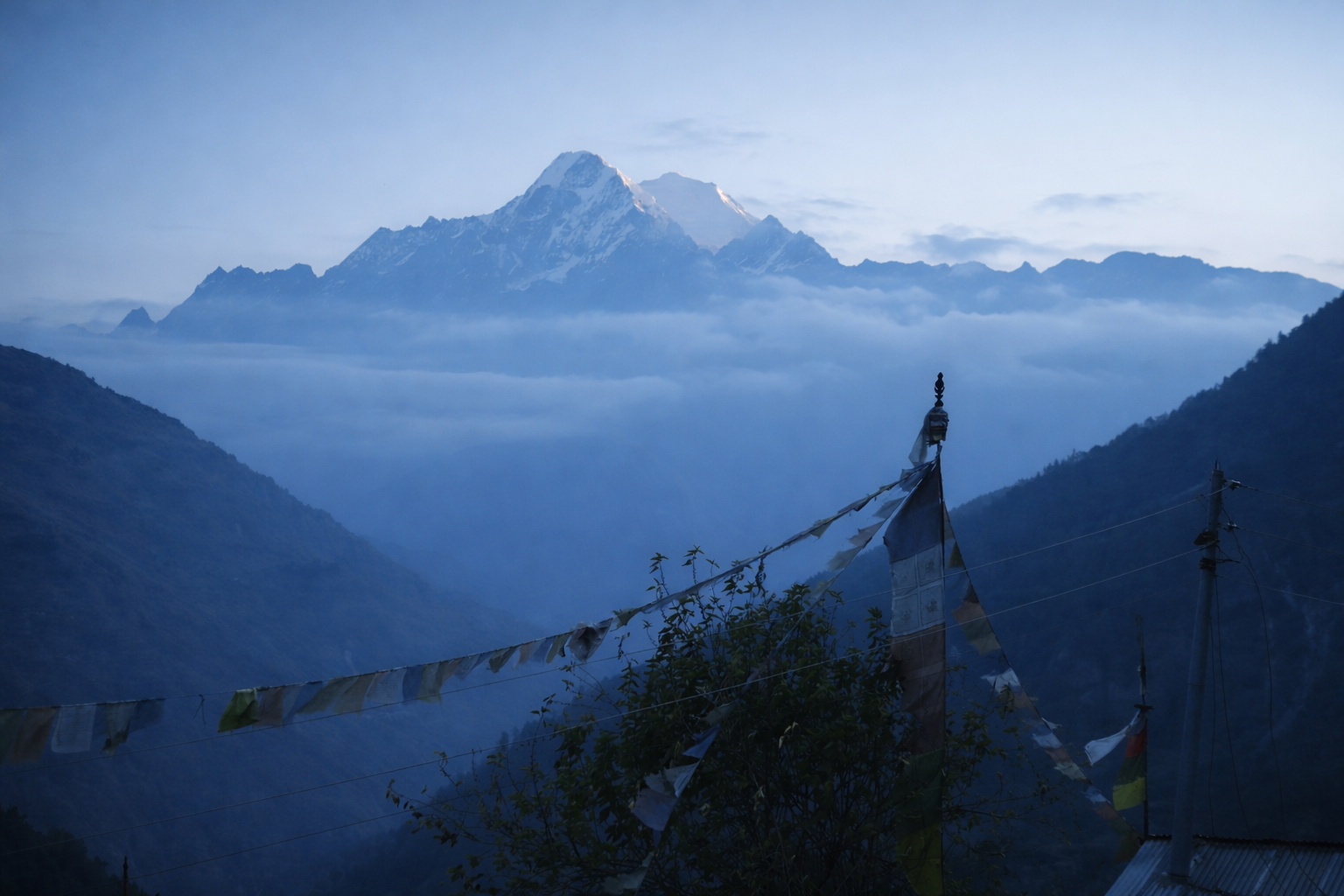
At dawn in Gatlang Village, traditional Tamang homes overlook the high valleys of Rubi Valley, framed by Nepal’s rugged mountain skyline.
At dawn in Ruby Valley, the mountains do not announce themselves with spectacle. They rise gradually from terraced hillsides and forested ridges, their white summits revealed only after the morning mist lifts from the valleys below. The air carries the scent of pine and woodsmoke. Roosters call from slate-roofed houses, and somewhere along a narrow stone path, a child in school uniform walks past prayer wheels spun smooth by generations.
This is not the Nepal of crowded trekking corridors or iconic base camps. It is quieter, more intimate — a landscape suspended between remoteness and resilience. And for those willing to venture beyond the better-known routes of Everest and Annapurna, the Ruby Valley Trek offers a revealing encounter with a different Himalayan narrative.
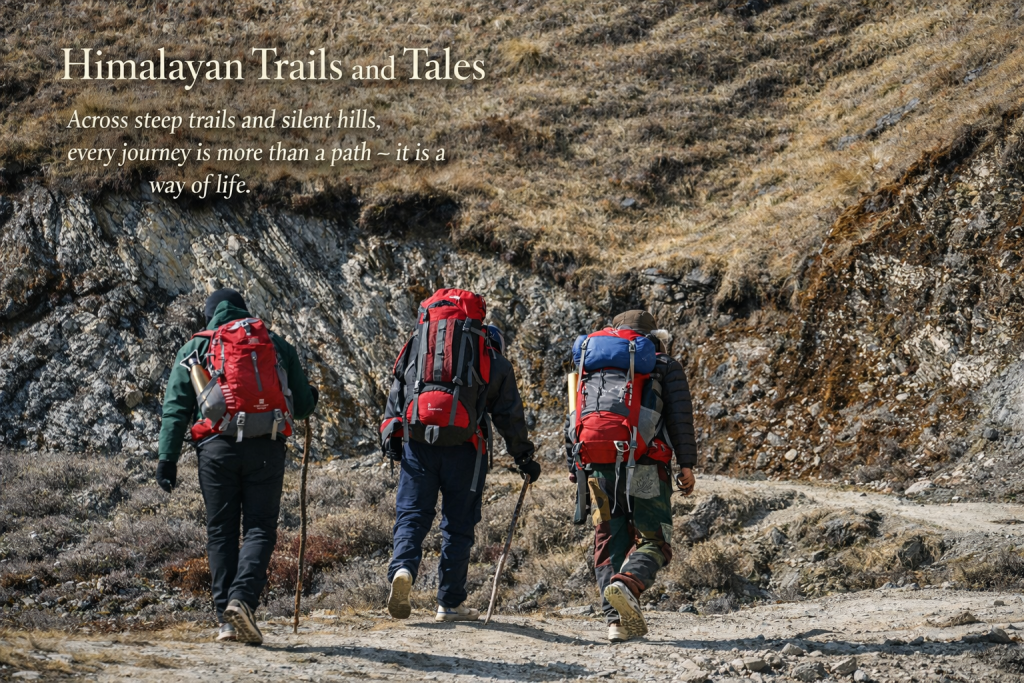
High above Ruby Valley, trekkers move slowly across Pangsang Pass, guided by ancient trails and the vast silence of the central Himalayas.
Geographically, Ruby Valley lies north of Dhading district, cradled between the Ganesh Himal range to the west and Langtang to the east. Despite its dramatic setting — with peaks rising beyond 7,000 meters — the region remains one of Nepal’s least commercialized trekking areas.
The valley takes its name from deposits of ruby and other semi-precious stones once found in its hills, though today its greater wealth lies in its cultural and ecological diversity. Here, Tamang and Gurung communities inhabit villages scattered across steep ridgelines, cultivating maize, millet, and potatoes in terraced fields carved painstakingly from the slopes.
The terrain shifts quickly. Subtropical forests give way to rhododendron groves, which in spring ignite the hillsides in red and pink bloom. Higher still, alpine meadows open beneath the snow-capped profiles of Ganesh Himal, offering unobstructed panoramas rarely interrupted by the presence of other trekkers.
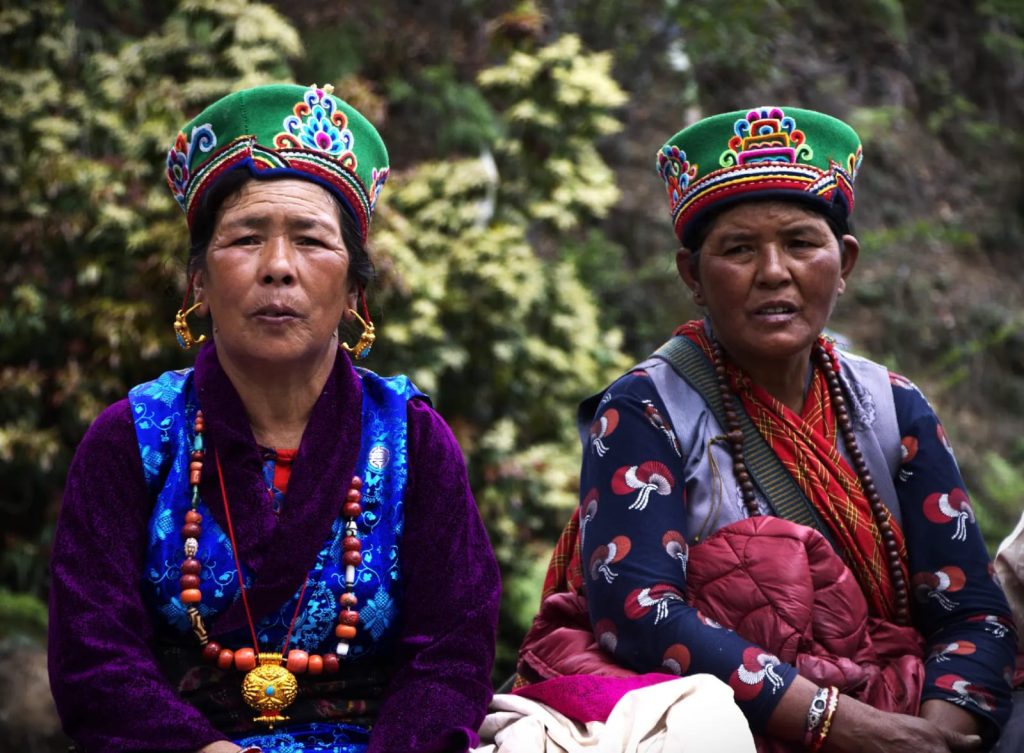
In Rubi Valley’s highland communities, hospitality is not a performance but a way of life — rooted in tradition, resilience, and quiet dignity.
What distinguishes the Ruby Valley Trek is not only its scenery but its intimacy. Accommodation is largely community-based, with homestays and small lodges operated by local families. Evenings are often spent around kitchen hearths rather than in standardized teahouses, sharing simple meals of dal bhat while conversations unfold in a blend of Nepali, Tamang dialects, and the universal language of hospitality.
In villages such as Gatlang and Tipling, stone houses cluster around monasteries adorned with vibrant murals. Prayer flags stretch from rooftop to rooftop, and the cadence of Buddhist chants drifts through the air at dusk. These settlements were among those deeply affected by the 2015 earthquake, and the signs of rebuilding remain visible — reinforced walls, newly constructed schools, solar panels glinting against slate.
Trekking here becomes as much about witnessing recovery and continuity as about physical achievement. Visitors are not passing through a performance staged for tourism; they are stepping briefly into daily life shaped by agriculture, faith, and communal interdependence.
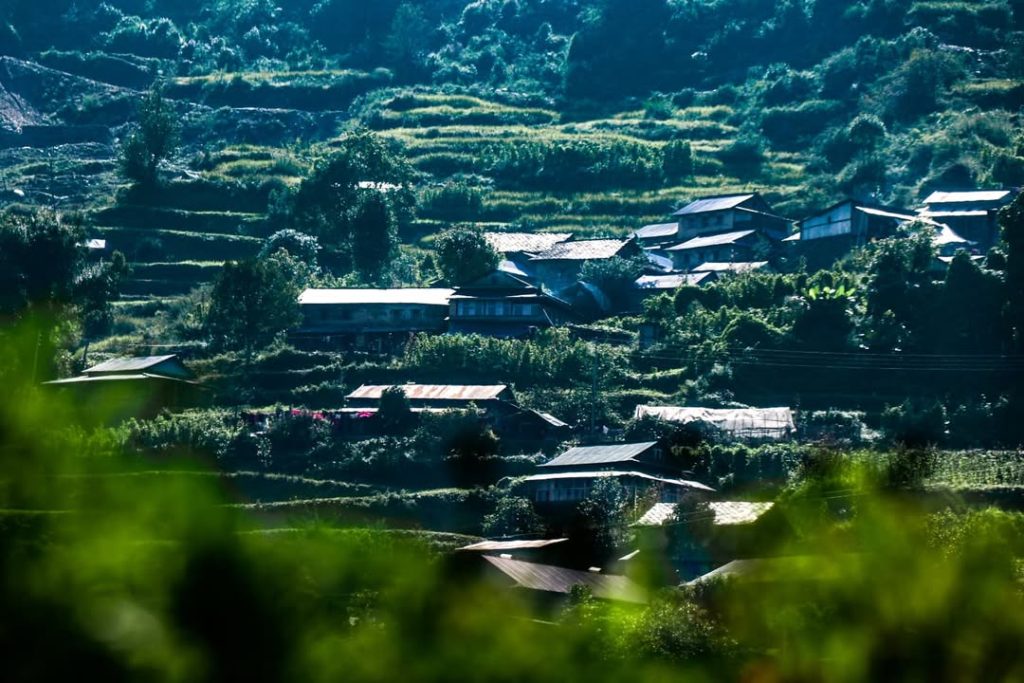
Community-run lodges in Rubi Valley reflect a model of trekking that prioritizes local livelihoods and environmental respect over scale.
Unlike the heavily trafficked trails of Nepal’s marquee routes, Ruby Valley demands attentiveness. Paths are narrower, sometimes steep, winding through forests alive with birdsong. Suspension bridges sway above glacial rivers that cut silver lines through deep gorges.
The ascent toward Pangsang Pass — one of the trek’s highest points — reveals a sweeping Himalayan panorama that rivals more famous viewpoints. On clear days, Ganesh Himal dominates the western skyline, while distant silhouettes of Manaslu and even parts of the Annapurna range appear on the horizon. Yet the experience feels profoundly personal. The silence at these elevations is uninterrupted, the wind carrying only the rustle of alpine grass.
This sense of solitude has become increasingly rare in global trekking destinations. For seasoned travelers, it represents not isolation but privilege: the opportunity to encounter the Himalayas without mediation by infrastructure or crowds.
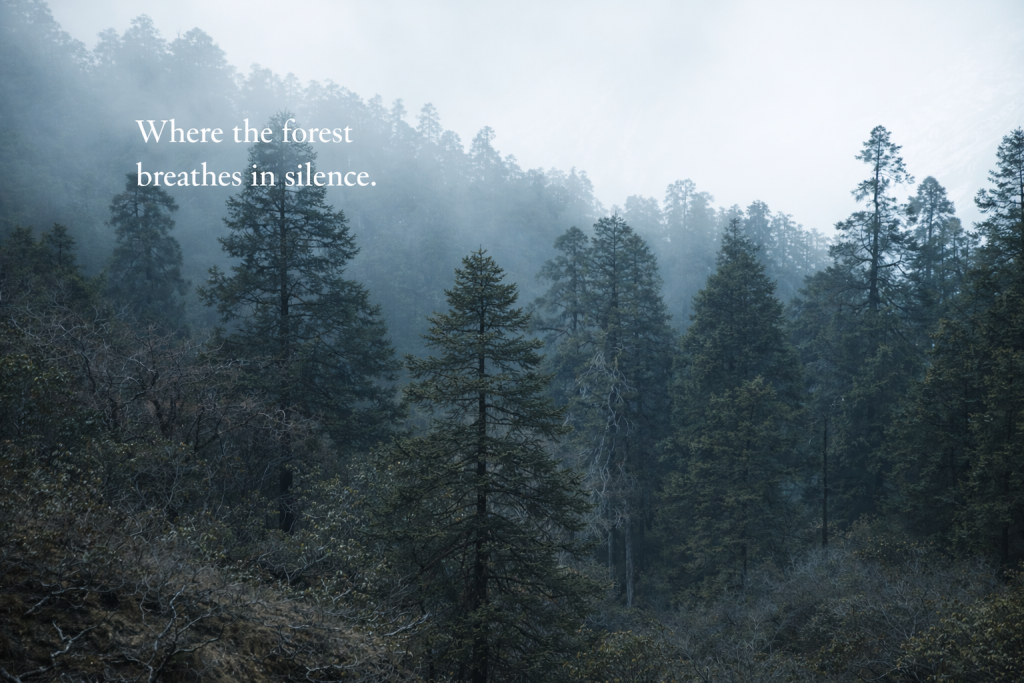
Himalayan pine forests form vital ecosystems along Nepal’s trekking routes, sustaining both wildlife and mountain communities.
Ruby Valley sits at the intersection of tradition and transition. Younger generations increasingly migrate to Kathmandu or abroad for employment, yet many families maintain ancestral homes and fields. Festivals remain vibrant, particularly Losar, the Tibetan New Year, when villages come alive with masked dances, communal feasts, and ceremonial rituals.
The Tamang heritage is especially prominent here — visible in architecture, attire, and oral storytelling traditions. Trekkers who take the time to listen hear narratives of seasonal migration, ancient trade routes linking Tibet and Nepal, and the spiritual significance of local mountains considered protective deities.
This cultural continuity lends depth to the journey. The landscape is not merely scenic; it is storied.
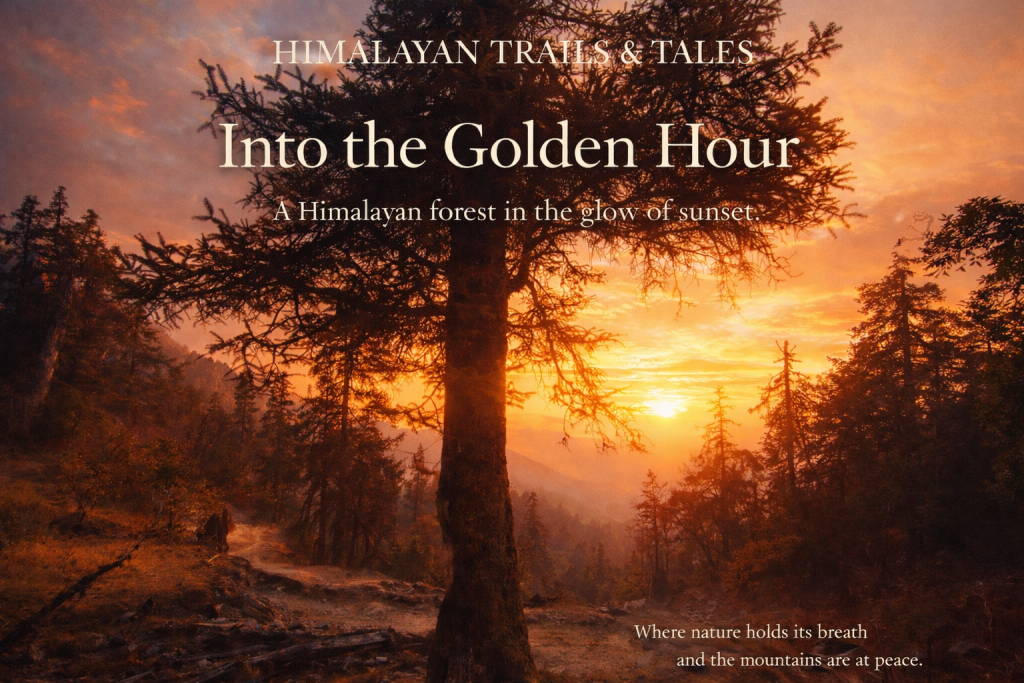
last light washes over Rubi Valley in central Nepal, where ancient Himalayan trails weave quietly through highland villages and untouched alpine landscapes.
Ruby Valley’s relative inaccessibility has shielded it from overdevelopment, but it also presents economic challenges. Tourism, when thoughtfully managed, offers one of the few sustainable income sources for local communities.
Community-led trekking initiatives have emerged as a model for responsible tourism in the region. By prioritizing local guides, homestays, and cooperatives, the economic benefits remain within the valley. Small group sizes reduce environmental strain, and visitors are encouraged to adhere to strict waste management practices, respecting the fragility of mountain ecosystems.
For environmentally conscious travelers, Ruby Valley represents a compelling alternative to more saturated destinations. It aligns with a broader shift in global travel — toward immersive, lower-impact experiences that privilege authenticity over convenience.
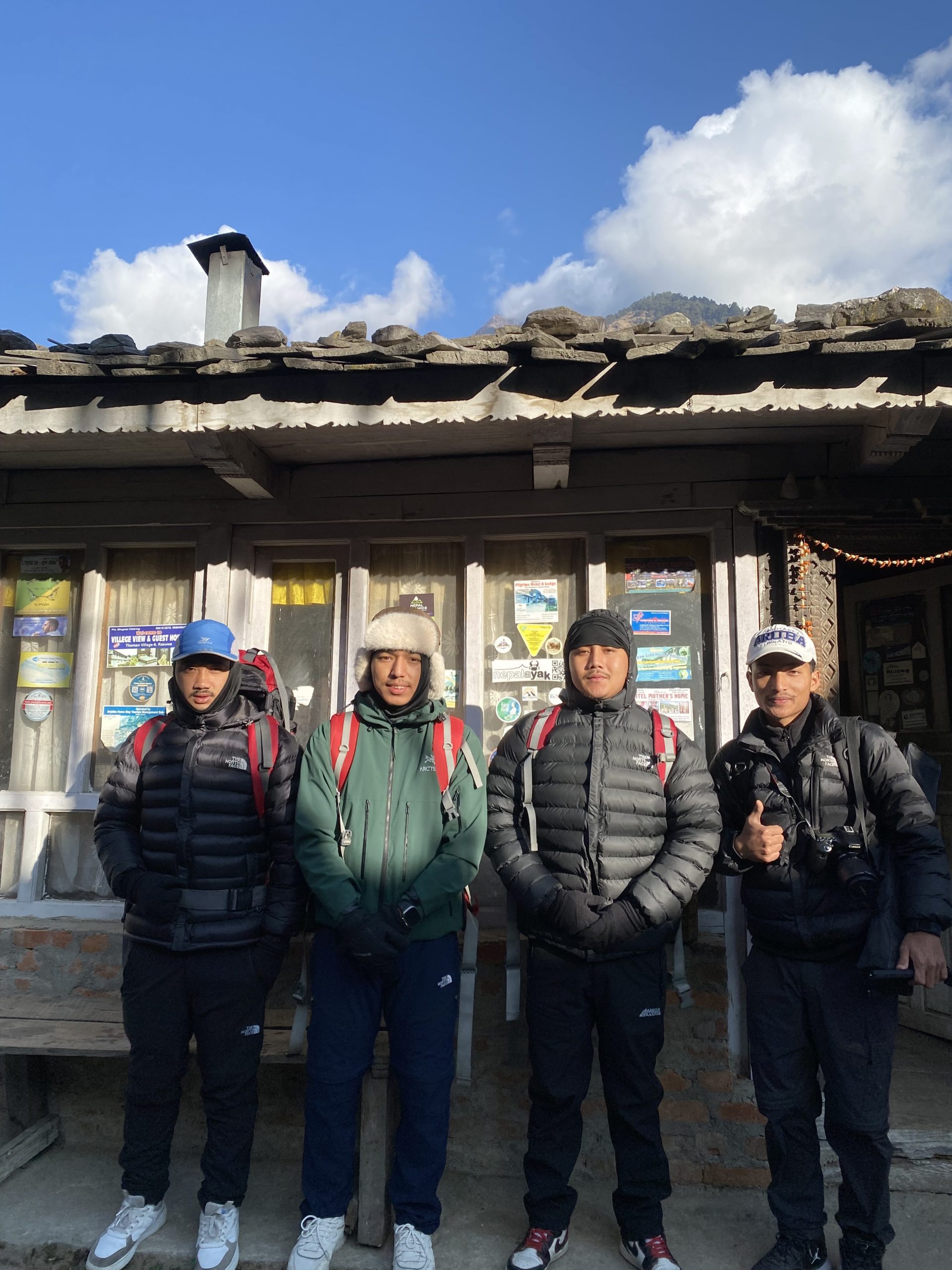
The Ruby Valley Trek is not defined by record-breaking altitudes or iconic summit photographs. Its rewards are subtler: a conversation with a village elder beneath a walnut tree, the sight of women weaving traditional textiles in afternoon light, the echo of bells from grazing yaks in a high pasture.
Even the physical challenges — long ascents, unpredictable weather, basic accommodation — contribute to its integrity. Comfort here is contextual, shaped by gratitude rather than expectation.
As the sun sets behind Ganesh Himal and the valley slips into shadow, the sky often fills with a scatter of stars unobstructed by artificial light. In that stillness, the magnitude of the Himalayas feels both humbling and grounding.
Travelers who complete the Ruby Valley Trek rarely describe it in superlatives. Instead, they speak of sincerity — of a journey that felt genuine, uncurated by mass tourism. In a world where remote places grow increasingly rare, Ruby Valley remains a testament to the enduring power of simplicity.
It is a reminder that the Himalayas are not only found in their highest peaks, but in the quiet valleys between them — where life continues at its own measured pace, and where the trail leads not just upward, but inward.