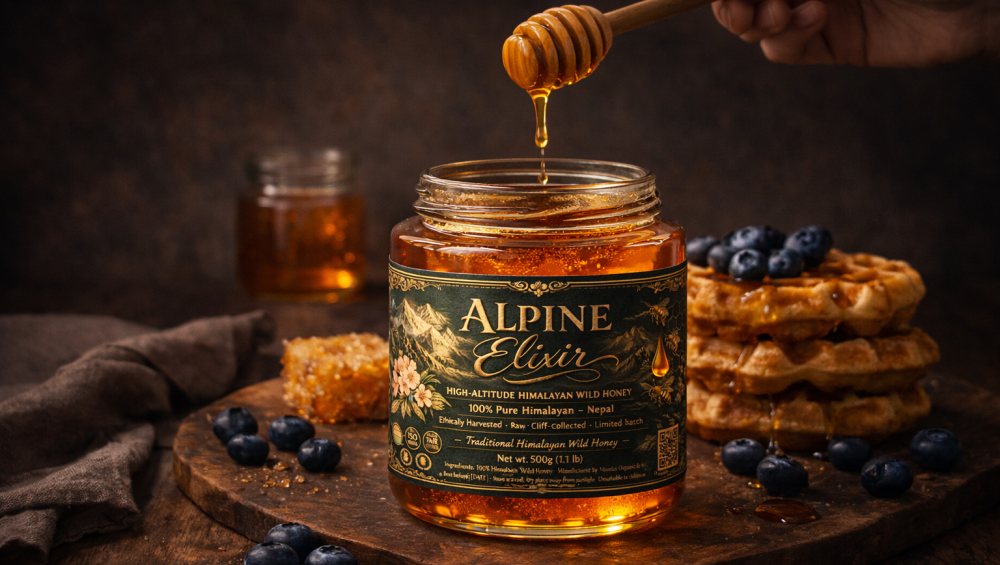
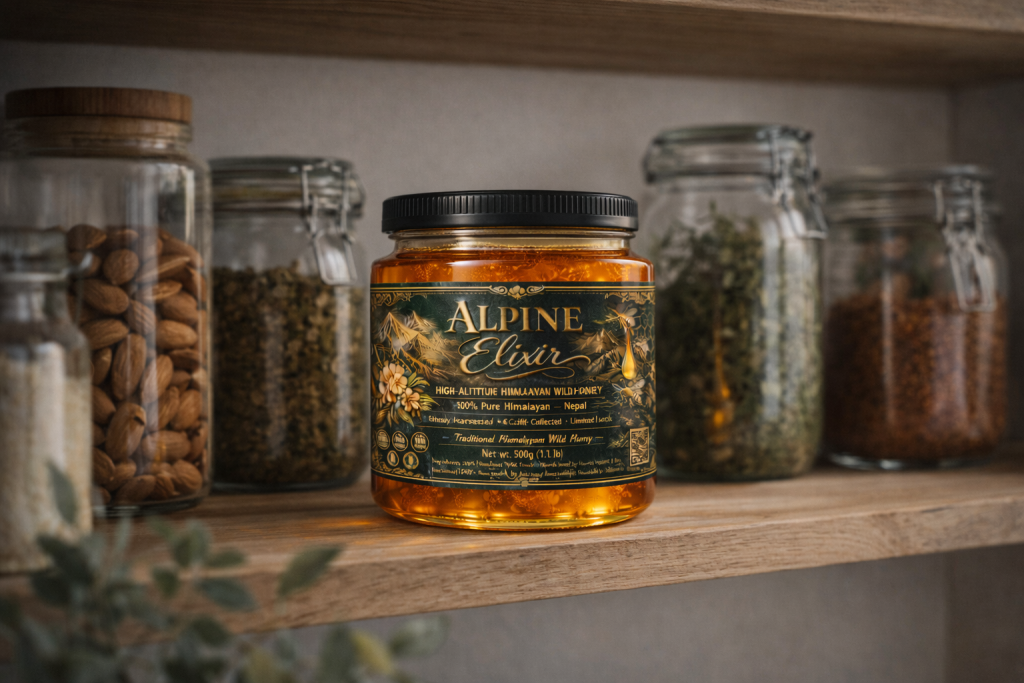
Alpine Elixir — High-Altitude Himalayan Mad Honey from Nepal

A Rare Himalayan Wellness Treasure, Ethically Harvested from the World’s Highest Cliffs


In the remote highlands of Nepal, where snow-cantled Himalayan peaks rise above ancient forests and wild alpine flowers bloom for only a few precious weeks each year, nature offers one of its most extraordinary delicacies: High-altitude Himalayan mad honey.

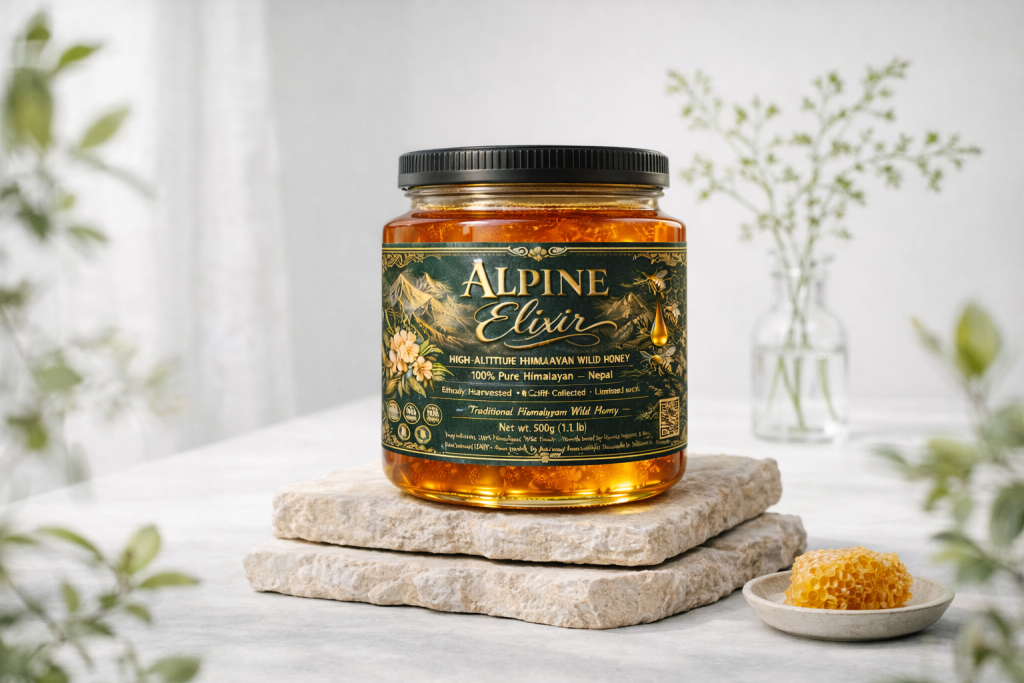
Alpine Elixir is a premium, collector-grade honey sourced from the pristine Himalayan regions of Rubivalley (Ganesh Himal area) and Langtang Valley, harvested at remarkable elevations of 2,800–3,500 meters above sea level. Produced by the Himalayan giant honeybee (Apis laboriosa) and nourished by rare wild rhododendron nectar, Alpine Elixir represents the purity, heritage, and ecological richness of Nepal’s mountain ecosystems.

This is not ordinary honey. Alpine Elixir is a rare seasonal offering — a luxury wellness delicacy shaped by altitude, tradition, and nature’s most demanding conditions. Carefully preserved in its raw, unheated, and unfiltered form, it is created for discerning global consumers who value authenticity, rarity, and ethical sourcing.

What Is Himalayan Mad Honey?

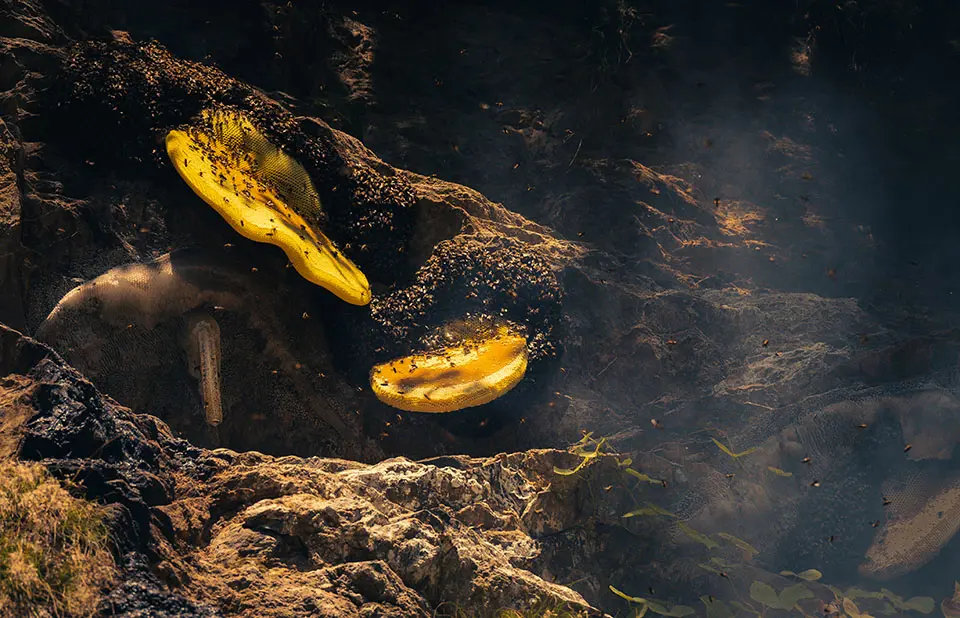
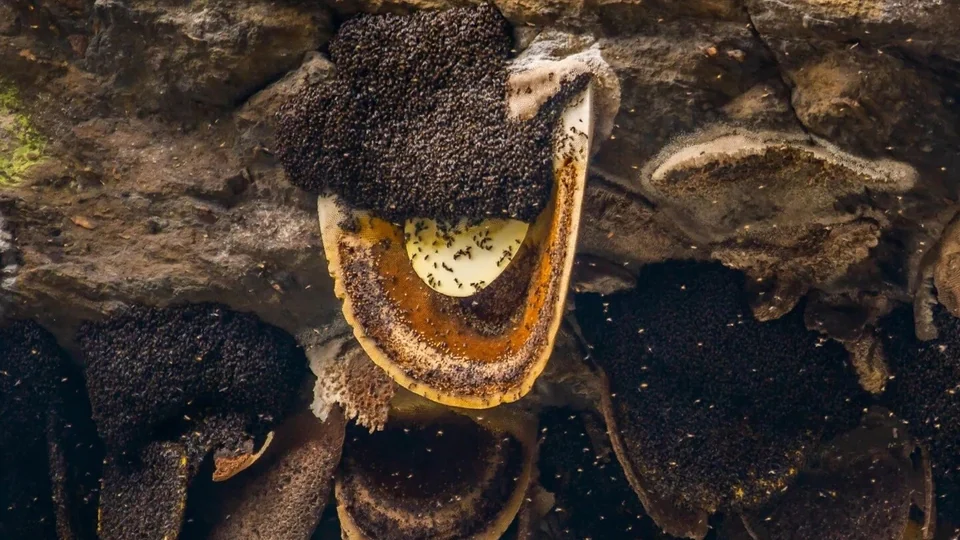
Himalayan mad honey is a unique wild honey produced by giant honeybees that build their hives on steep Himalayan cliffs. Unlike conventional floral honeys, mad honey is derived primarily from the nectar of wild rhododendron flowers, which grow only in high-altitude alpine environments.

This distinctive nectar contains naturally occurring compounds known as grayanotoxins, which give mad honey its characteristic potency and physiological effects when consumed in very small quantities. For centuries, mad honey has been valued not only for its rich flavor and deep aroma, but also for its long-standing reputation in Himalayan cultural wellness traditions.

It is important to understand that mad honey is biologically active and should be enjoyed responsibly and occasionally — not as an everyday sweetener, but as a rare artisanal product with a unique natural profile.

The Himalayan Origin: Rubivalley & Langtang

Alpine Elixir originates from two of Nepal’s most untouched and revered high-mountain honey regions:

  • Rubivalley (Ganesh Himal region)
  • Langtang Valley

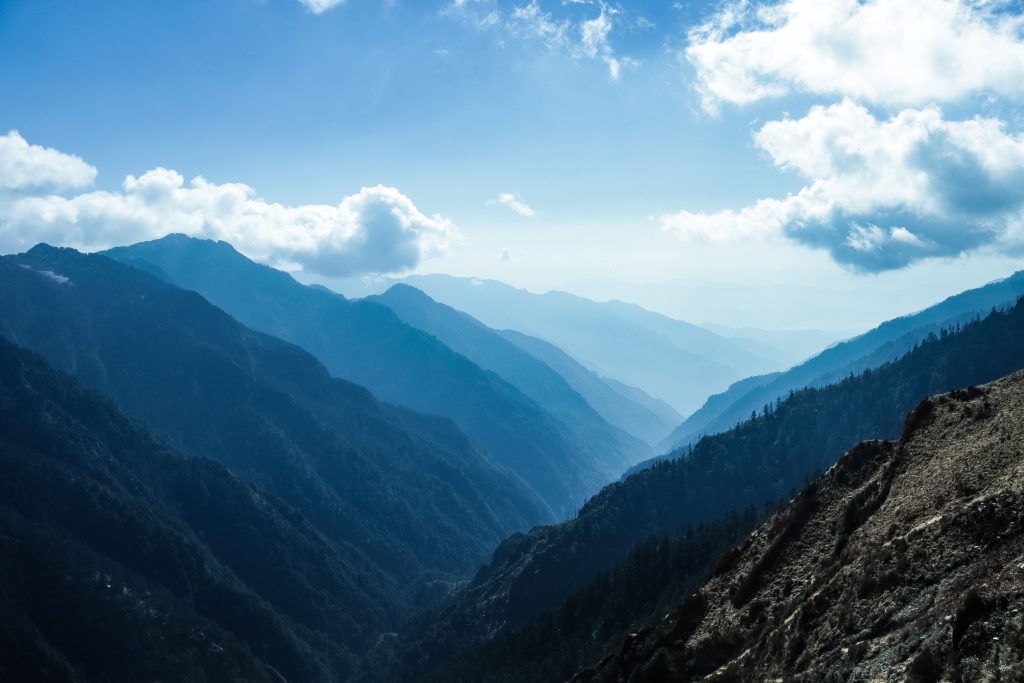
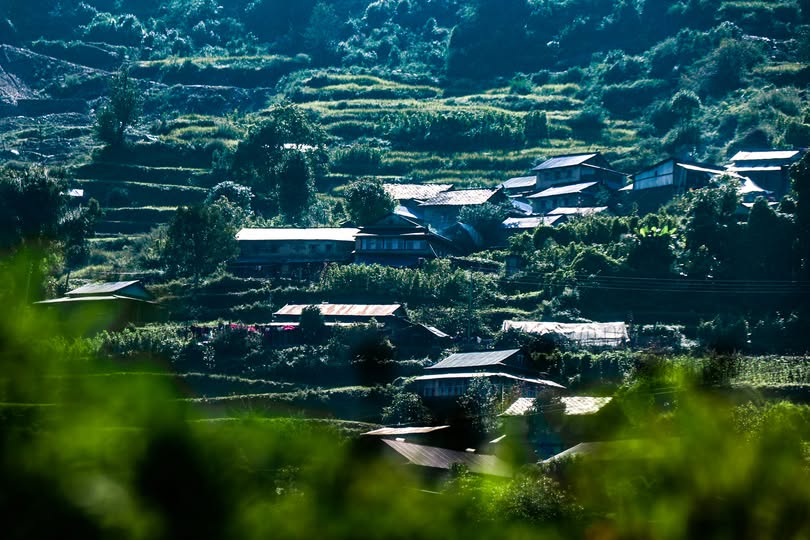
These landscapes are defined by sheer cliffs, alpine forests, pure glacial air, and minimal human interference. At altitudes around 3,000 meters, flowering seasons are short, climates are extreme, and access is difficult — meaning honey production remains naturally limited.

The result is a honey that is exceptionally rare, highly prized, and deeply connected to the ecology of Nepal’s Himalayas. Every jar of Alpine Elixir carries the essence of wild mountain terrain, seasonal rhododendron blooms, and the pristine environment of one of the world’s highest honey-producing ecosystems.


Traditional Cliff Harvesting Heritage

One of the most remarkable aspects of Himalayan mad honey is the way it is harvested.

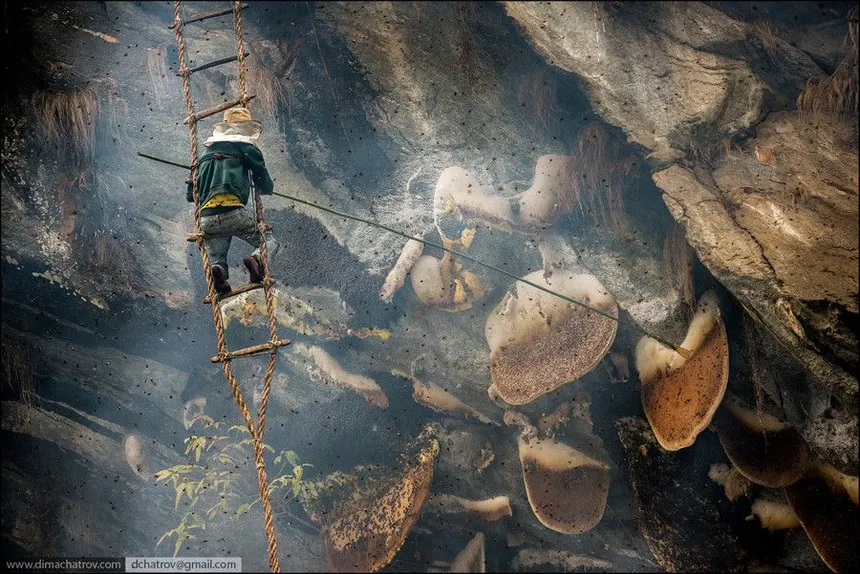
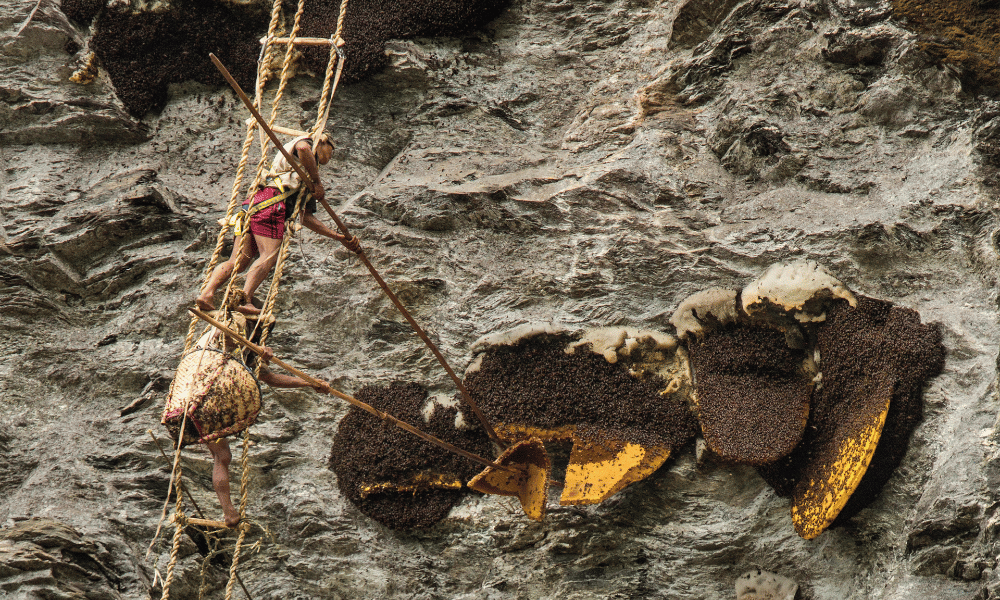
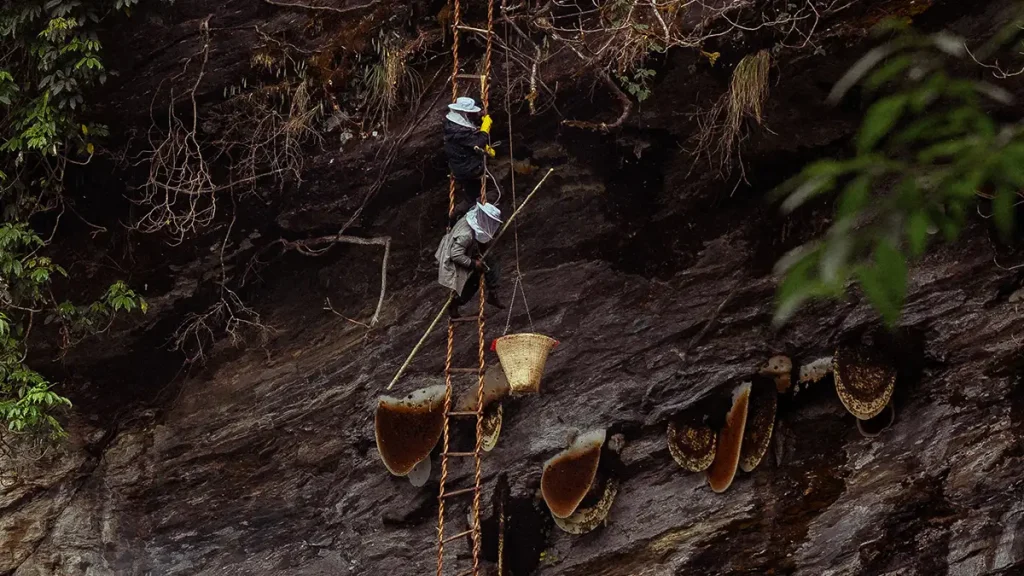
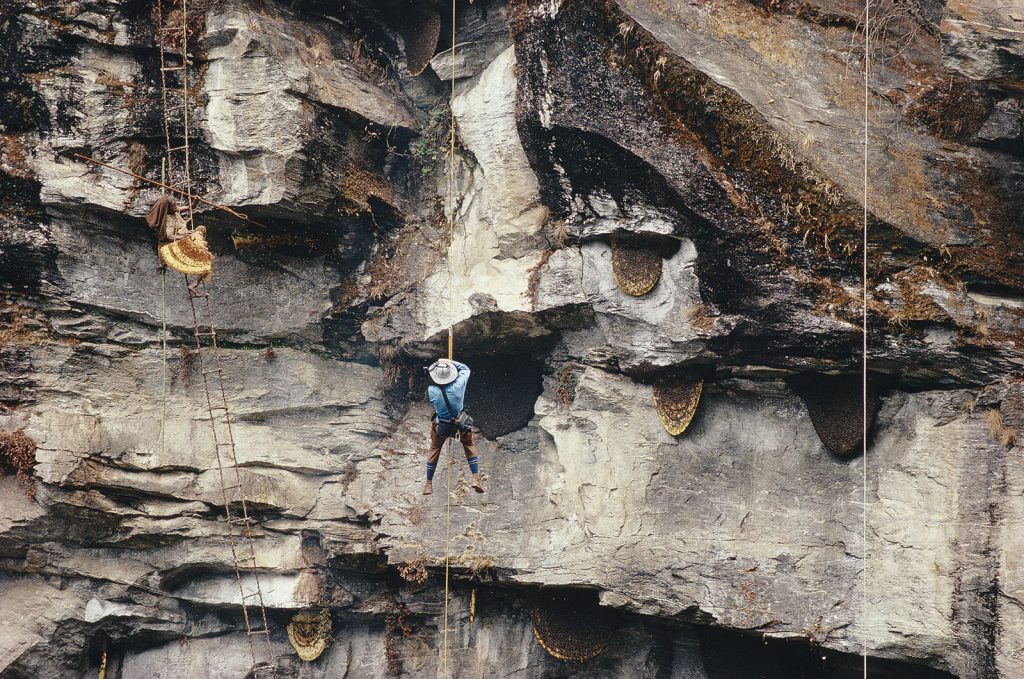
For centuries, indigenous Himalayan communities — including Gurung, Tamang, Magar, and other mountain groups — have practiced the dangerous and skillful tradition of cliff honey hunting. Honey hunters climb remote rock faces using handmade rope ladders or bamboo tools to reach massive wild hives built into vertical cliff walls.

This is not industrial farming. It is a profound human–nature relationship, passed down through generations, requiring courage, ecological knowledge, and deep respect for the bees.

Alpine Elixir supports ethical sourcing practices that honor:

  • Traditional livelihoods
  • Community benefit
  • Sustainability and habitat preservation
  • Minimal disturbance of wild colonies

Through responsible harvesting and fair community partnerships, Alpine Elixir represents a premium product rooted in heritage, not mass production.

Natural Characteristics of Alpine Elixir

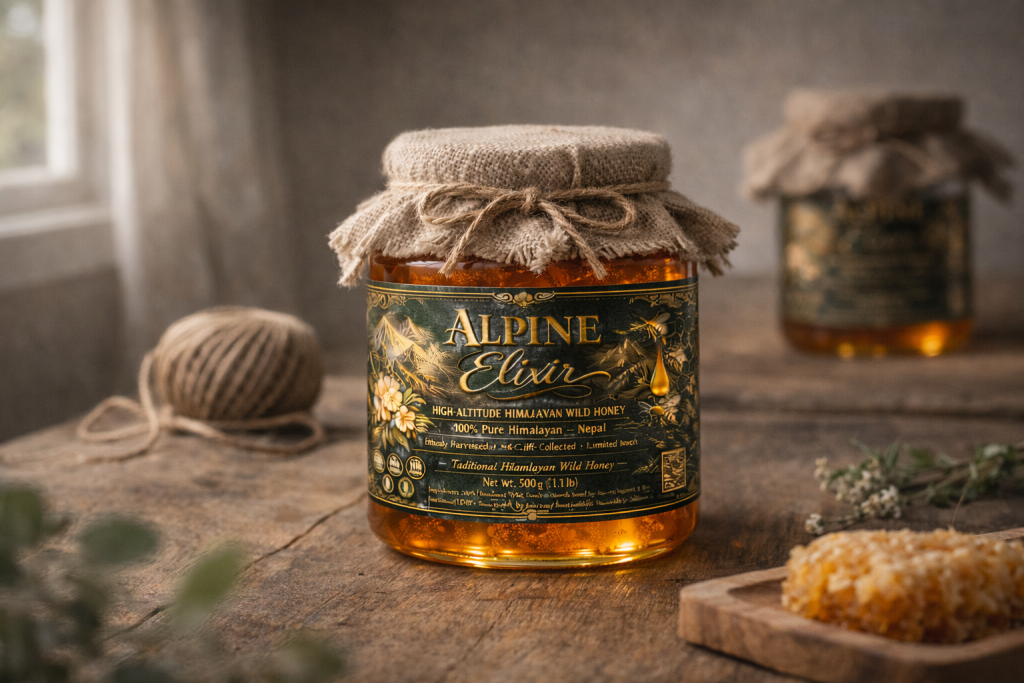
High-altitude Himalayan mad honey has sensory qualities unlike any other honey in the world. Alpine Elixir is celebrated for its distinctive natural character:

  • Color: Deep amber to reddish brown
  • Taste: Strong, intense, slightly bitter or herbal
  • Texture: Thick to semi-liquid depending on season
  • Aroma: Wild floral scent with mountain herb notes

Its richness reflects both its rare rhododendron nectar source and the purity of the Himalayan environment. Each batch is naturally limited, shaped by altitude, seasonal bloom cycles, and wild ecosystem conditions.


Traditional Uses & Wellness Reputation

For generations, Himalayan communities have valued mad honey as a seasonal wellness tonic. Traditional practices — based on indigenous knowledge rather than modern clinical medicine — associate small amounts of mad honey with:

  • Digestive comfort
  • Relaxation and warmth
  • Seasonal mountain vitality
  • Joint and body comfort
  • General wellness ritual use

⚠️ Important: These traditional cultural uses are not clinically proven medical treatments. Alpine Elixir is not intended to diagnose, treat, cure, or prevent disease.

Instead, Alpine Elixir should be understood as a rare natural delicacy with deep cultural significance, best appreciated thoughtfully and responsibly.


Health & Safety Guidance (Very Important)

Because mad honey contains naturally occurring grayanotoxins from rhododendron nectar, it is far more potent than regular honey and must be consumed with care.

Recommended Responsible Use

Alpine Elixir should be enjoyed only in very small amounts:

  • Starting dose: A few drops
  • Maximum: ½ teaspoon or less
  • Frequency: Occasionally, not daily

Best Ways to Consume

  • Mixed into warm water
  • Added to herbal tea
  • Taken preferably on an empty stomach

Who Should Avoid Mad Honey

Mad honey is not suitable for:

  • Children
  • Pregnant or breastfeeding women
  • Individuals with cardiovascular or blood-pressure conditions
  • Anyone on medication without professional consultation

Possible Side Effects of Overuse

Excess consumption may cause:

  • Dizziness
  • Nausea or vomiting
  • Drop in blood pressure
  • Slow heart rate

In rare cases, severe overconsumption may require medical attention. Alpine Elixir is best appreciated as a rare delicacy, not a daily supplement.

Why Alpine Elixir Is Premium

Mad honey from Rubivalley and Langtang is considered among Nepal’s most premium natural products because of:

  • Harvesting from remote Himalayan cliffs
  • Production only once or twice per year
  • Short rhododendron flowering season
  • Extreme climate limiting supply
  • Traditional high-risk harvesting
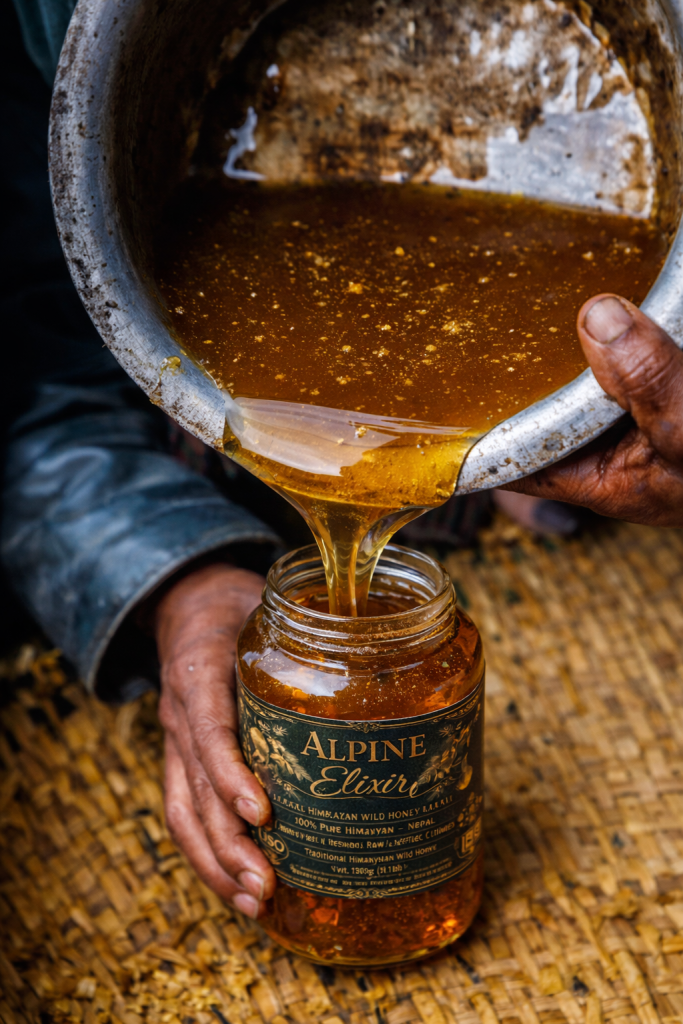
  • Raw, unheated, unfiltered purity
  • No additives, dilution, or industrial processing

These factors make Alpine Elixir one of the rarest honeys available for global export — a luxury wellness product shaped entirely by nature and tradition.


Quality, Traceability & Export Standards

Alpine Elixir is produced and packaged by:

Mamba Organic and Agrolivestock Farm
Dhading, Nepal

We are committed to premium export-quality standards, including:

  • Small-batch seasonal harvesting
  • Careful preservation of raw honey integrity
  • Packaging designed to protect aroma and potency
  • Optional QR-based traceability and lab documentation
  • Ethical community sourcing practices

As international demand for Himalayan mad honey grows, authenticity and transparency matter more than ever. Alpine Elixir offers trust, heritage, and purity in every jar.


A Collector-Grade Himalayan Honey

Alpine Elixir is more than honey.

It is the essence of Nepal’s wild Himalayas — shaped by altitude, rare rhododendron blooms, traditional cliff heritage, and ethical sourcing. With its limited seasonal yield and respected traditional reputation, Alpine Elixir is a premium wellness delicacy meant to be enjoyed responsibly, thoughtfully, and in small amounts.

For discerning consumers worldwide, Alpine Elixir represents:

Purity. Tradition. Rarity. Himalayan Luxury.
Himalayan Wild (Mad) Honey of Nepal: Gold Drawn from Stone, Wind, and Time

High in the central Himalayas, where mountains rise so steeply they seem to tear the sky itself, honey is not collected—it is earned. At dawn, when the light first touches the cliffs, honey hunters begin their ascent. Rope ladders woven from bamboo and grass creak under their weight, suspended hundreds of meters above rushing rivers that are felt more than seen. There is no machinery here, no safety net beyond knowledge passed through generations. The air is thin, sharp, and alive. Giant honeybees, Apis laboriosa, circle their hives in disciplined arcs, their wings humming with warning and authority. When the hunter finally reaches the comb and cuts into it, thick amber honey spills slowly, heavy with altitude, memory, and danger. Each drop carries the silence of the mountain and the risk of the climb. This is the origin of Himalayan wild honey—often called mad honey—not a commodity born of convenience, but a substance shaped by geography, restraint, and respect.

Historically, Himalayan communities did not seek mad honey for novelty or intoxication. For centuries, it was harvested sparingly as part of seasonal life. Before the 18th century, its use was largely local—small quantities consumed during cold months, long journeys, or ceremonial occasions. Honey hunting was never casual; it was embedded in survival and spirituality. As trade routes expanded and knowledge traveled beyond the mountains, awareness of honey’s medicinal and preservative properties grew. By the late 18th and early 19th centuries, mad honey began to attract attention beyond its native valleys. Its rarity, strength, and difficulty of harvest elevated it from a subsistence product to one of the most valuable honeys in the world. This transformation was not driven by abundance, but by scarcity and risk.

The honey hunters themselves—primarily from Gurung, Tamang, Magar, and other Himalayan communities—are custodians of an ancient relationship with the land. Honey hunting is not merely a livelihood; it is cultural inheritance. Knowledge is passed orally, from elders to younger generations, including when to harvest, which hives to leave untouched, and how to read the mountain’s signs. Rituals often precede the harvest: prayers to the mountain, offerings to ensure safety, and gestures of respect toward the bees. The cliffs are never treated as conquered territory. Instead, they are approached with humility, acknowledging that humans are guests in a larger ecological order. This restraint is what has allowed honey hunting to survive for centuries without destroying the very systems that sustain it.

From a scientific perspective, mad honey’s effects are well documented yet often misunderstood. The grayanotoxins present in certain rhododendron nectars affect sodium channels in the nervous system, which can lead to symptoms such as dizziness, nausea, sweating, low blood pressure, or slowed heart rate when consumed in excess. Importantly, there is no laboratory test that directly measures grayanotoxin levels in the human body. Diagnosis relies on a careful history of consumption combined with observed clinical symptoms. Potency varies widely depending on floral source, altitude, harvest timing, and storage, which is why traditional communities emphasize extreme moderation.

Modern medical understanding treats mad honey intoxication as manageable with appropriate care. In most cases, supportive treatment—including intravenous saline infusion and atropine sulfate—has proven effective in stabilizing patients. In rare severe instances, temporary cardiac pacing or Advanced Cardiac Life Support (ACLS) bradyarrhythmia protocols may be required. With proper monitoring, most individuals recover fully within six to twenty-four hours. This medical reality reinforces what Himalayan cultures have always known: mad honey is powerful, but not reckless when respected.

Within traditional Himalayan wellness practices, mad honey has long been valued not as a daily supplement, but as a seasonal tonic used in extremely small amounts. Indigenous knowledge associates it with digestive comfort, warmth during cold months, relaxation, and general vitality. Like all raw honey, it possesses natural antibacterial and antifungal properties. These perspectives are cultural rather than clinical, grounded in lived experience rather than laboratory trials, and they exist alongside clear caution against overuse.

One of the most remarkable aspects of mad honey is its longevity. Honey is one of the few foods on Earth that does not spoil when stored properly. Archaeologists have famously discovered honey over 3,000 years old in Egyptian pyramids that remained edible. Himalayan wild honey shares this natural preservation. Over time, its color may darken and its psychoactive potency may gradually diminish, but its nutritional and traditional medicinal qualities remain stable. There is no true expiry date—only a slow transformation shaped by time.

Traditionally, consumption guidelines are strict and universal across Himalayan regions. A half teaspoon or less is considered sufficient, taken occasionally rather than regularly. Mad honey is never combined with alcohol or other psychoactive substances, and it is not recommended for children, pregnant women, or individuals with heart or blood-pressure conditions. These guidelines are not modern regulations; they are survival knowledge refined over generations.

In recent years, global demand for Himalayan wild honey has increased dramatically, particularly in parts of Asia, Europe, and North America. Its rarity, harvesting risk, and cultural narrative have positioned it within premium wellness and specialty food markets. However, this demand has also introduced serious challenges, including counterfeit products, dilution, and misrepresentation. Without transparency and ethical sourcing, both consumers and mountain communities are at risk of exploitation.

The future of Himalayan wild honey depends on restraint and respect. Overharvesting threatens bee populations, fragile cliff ecosystems, and cultural continuity. Sustainable, community-led harvesting models—where local people control timing, quantity, and pricing—offer the only viable path forward. Mad honey cannot be industrialized without destroying its essence. It survives only when humans know when to stop.

Himalayan wild honey is more than a substance. It is a living relationship between humans and mountains, bees and flowers, risk and reverence. Each drop carries altitude, ancestry, and silence. In a world obsessed with speed and abundance, mad honey stands as a reminder that the rarest things are not produced—they are permitted. High above the valleys, where wind rules and time slows, the mountains still decide who may taste their gold.

Through Mountains and Memories: Our Seven-Year Trek Plan to Rubi Valley

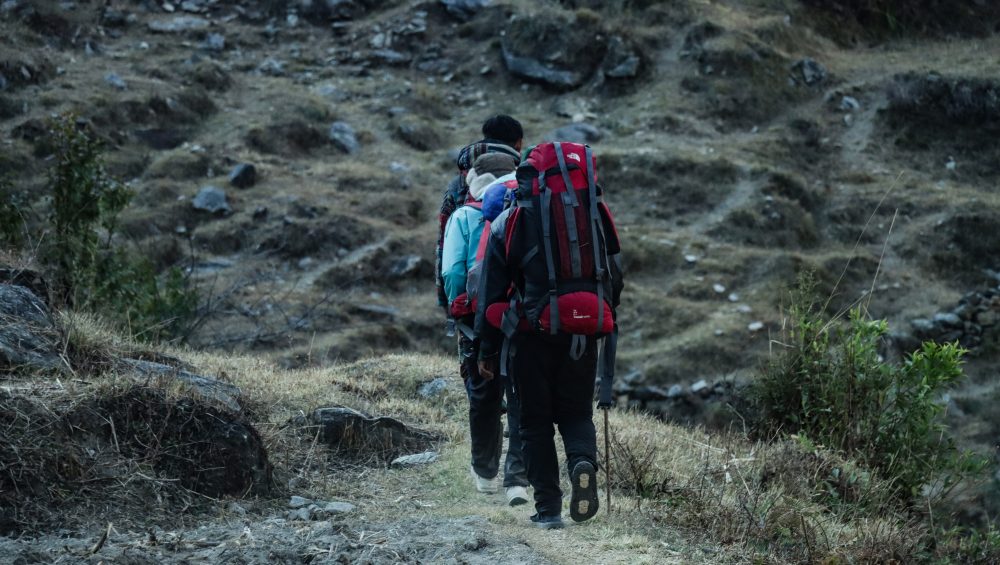
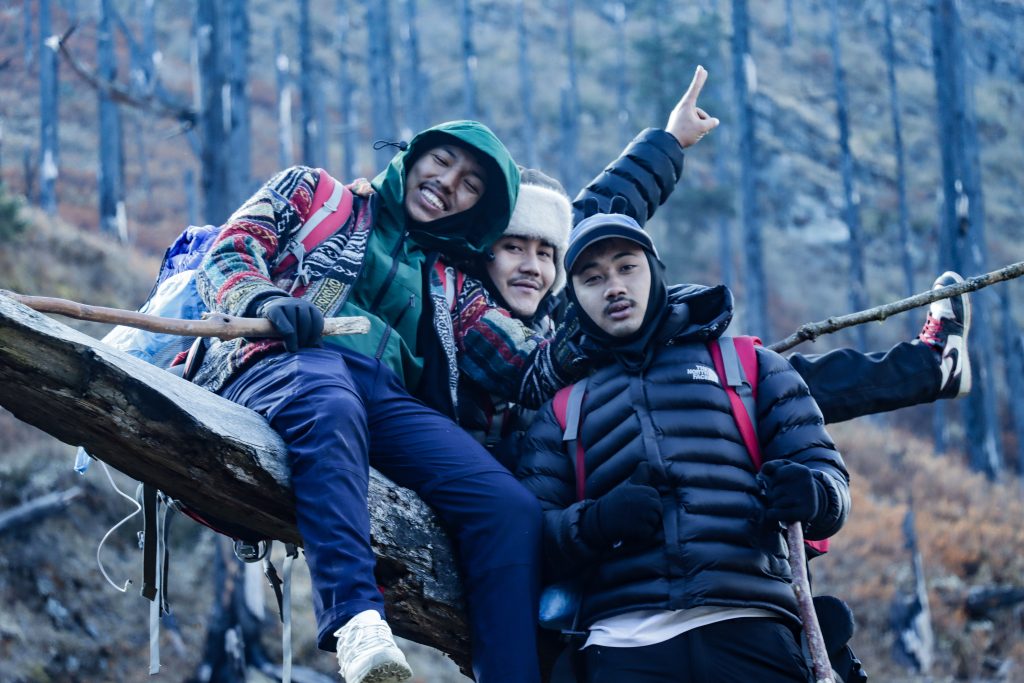
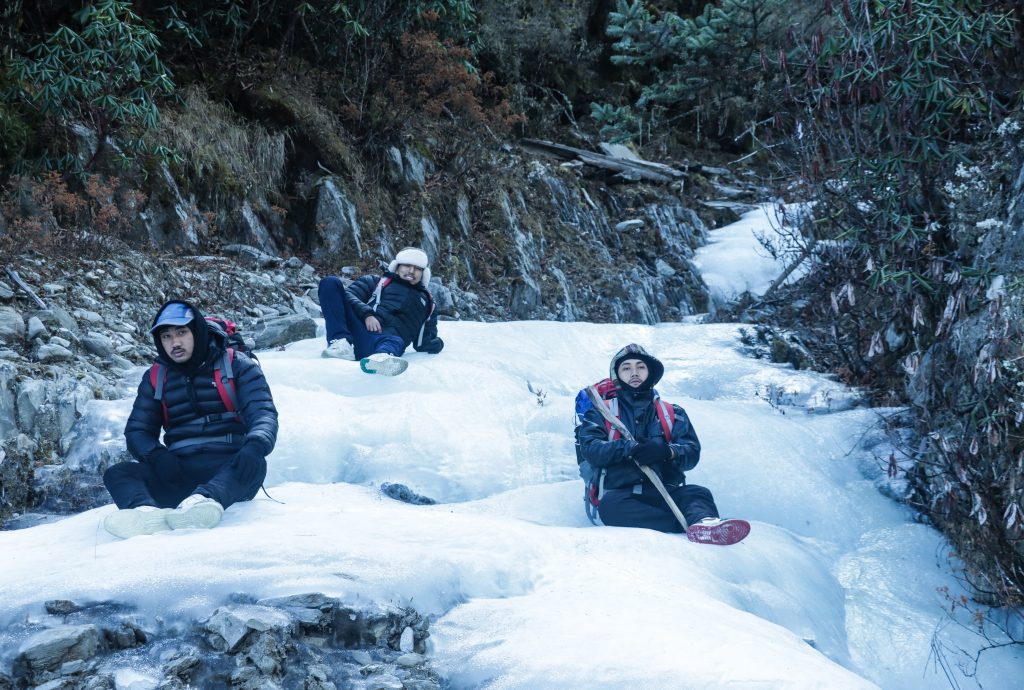
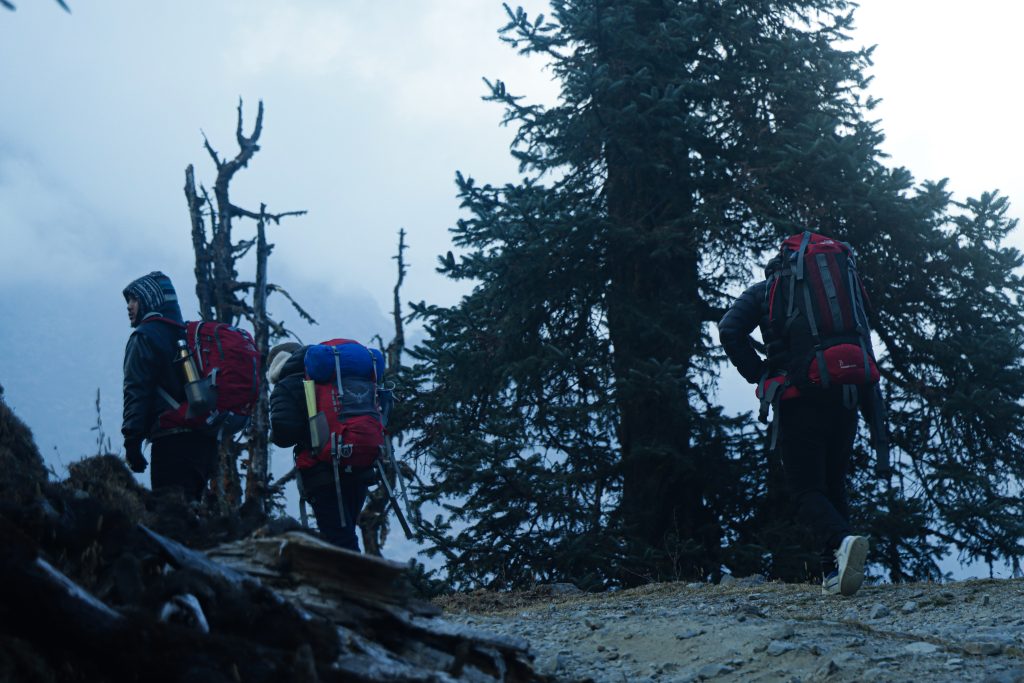
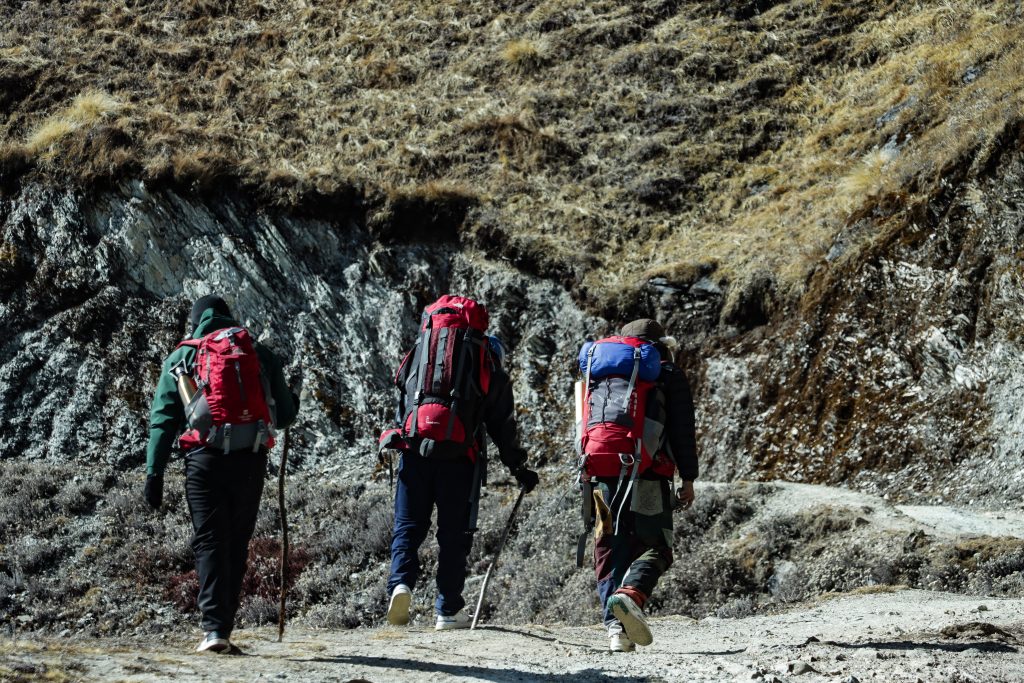
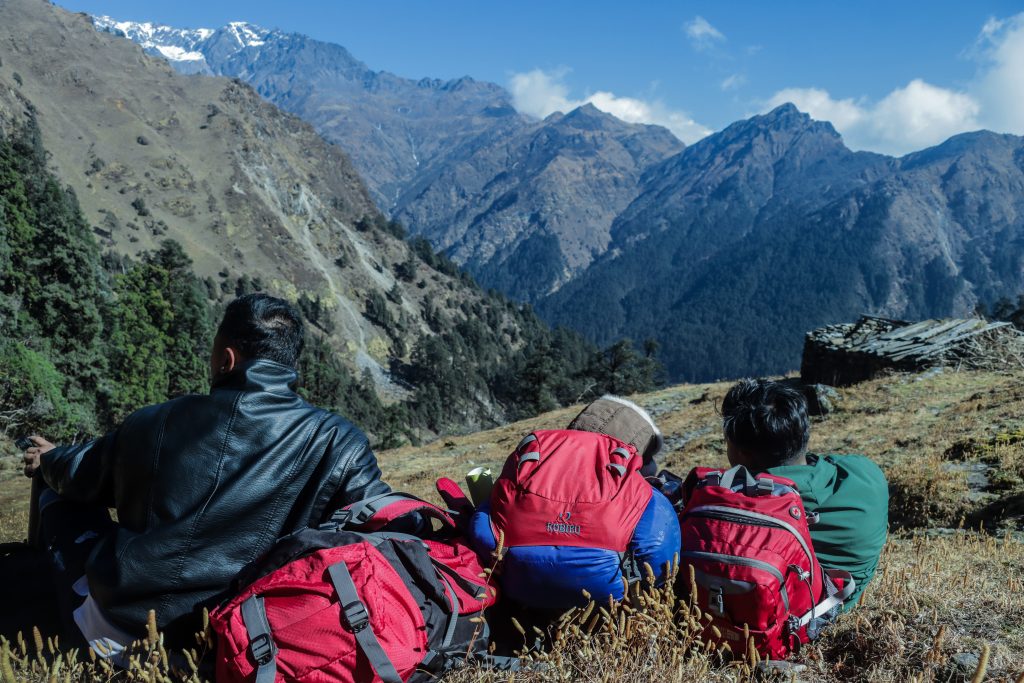
For seven long years, we dreamed of it— Bikash, Pritam, Sachin Gurung, and I. Whispered hopes under the stars, countless classroom stories, and endless planning finally led us to Rubi Valley. What awaited us was more than a trek; it was a journey that would test our endurance, deepen our friendships, and immerse us in Nepal’s hidden landscapes and timeless cultures. Every step promised adventure, every trail revealed wonder, and every night offered reflection.

We left Kathmandu in the early morning, bidding farewell to the city’s hum and chaos. The 7-8 hour drive through Langtang National Park was breathtaking. Narrow, winding roads clung to cliffsides, while terraced fields, cascading rivers, and snow-capped peaks stretched endlessly around us. Passing Trisuli Bazaar, Ramche Gaon, and Dhunche, the world transformed from urban bustle to alpine serenity.

Arriving in Gatlang, a Tamang village perched at 2,337 meters, we felt the first true heartbeat of Rubi Valley. That evening, we gathered around a fire, flames dancing in our eyes. Local drinks warmed our hands, laughter echoed through the village, and joining the Tamang people in traditional dances made us feel part of something timeless. The chill in the air faded in the warmth of community, and for the first time, the trek truly felt alive.

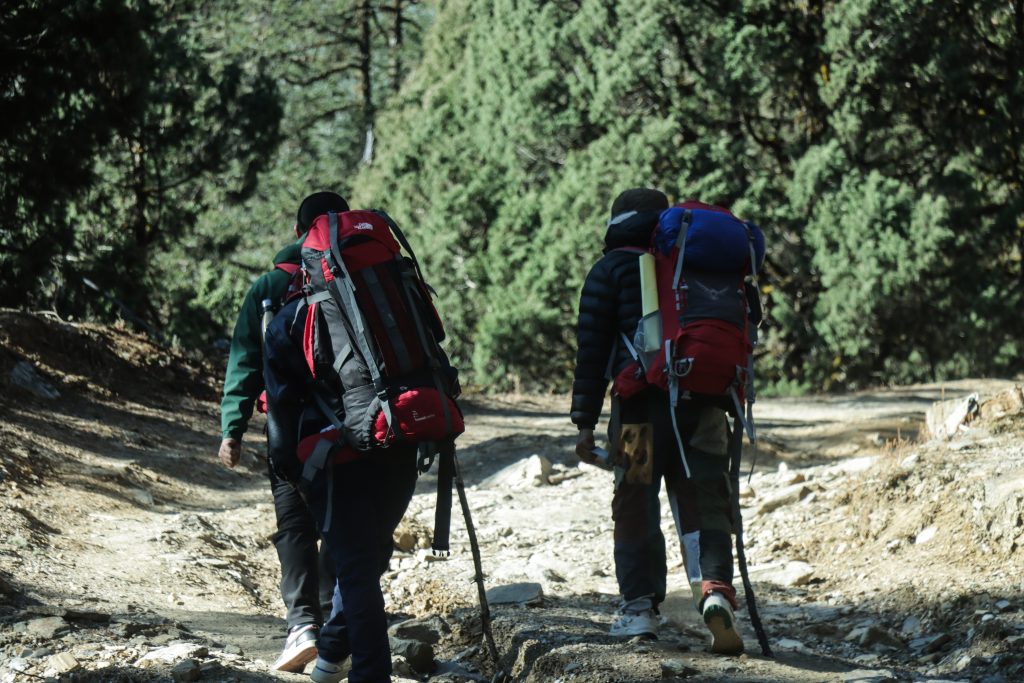
The trail to Parbati Kunda was a lesson in both beauty and effort, weaving through dense pine and rhododendron forests. The lake itself, named after Goddess Parvati, shimmered like a mirror, reflecting the sky and our own excitement. Nestled near a quaint Gumba, it became our playground for skipping stones, capturing reflections, and soaking in serenity. A nearby cheese factory added a taste of local life, a reminder that adventure often walks hand-in-hand with culture.

The hike to Yuri Kharka was steep and rocky, testing our stamina and resolve. Yet, in this remote meadow, we danced, shared stories, and reflected on life’s paths. The mountains seemed to listen, their silence amplifying our laughter and conversation.

As night fell, we embarked on a midnight trek to Somdang. Walking for three hours beneath a starlit sky, we felt both fear and exhilaration. Every careful step across uneven terrain was a mixture of thrill, trust, and awe. By the time we reached the valley, fatigue melted into wonder. Campfire stories and the sparkling night sky became companions, etching memories that will linger forever.

We awoke to crisp mountain air, preparing for one of the trek’s most demanding days. Ascending Pangsang La Pass, at 3,842 meters, tested our physical limits, but the panoramic views of Mount Manaslu and the Ganesh Himal Range made every step worthwhile. Alpine meadows stretched like green carpets, dotted with wildflowers, while icy streams and ridges reminded us of nature’s beauty and challenge in equal measure.

Descending toward Tipling, the morning mist rolled over fir and rhododendron forests. Every photograph captured the landscape, but the laughter, camaraderie, and shared struggle were ours alone. That evening, we set up a fire, cooked an organic dinner, and let stories, dreams, and laughter fill the night. Tipling became the heart of our adventure, where intimacy, friendship, and reflection blended seamlessly with the wild.

This day’s descent offered a gentle walk, taking us through Shertung and Chalish Gaon. Crossing clear tributaries, strolling through serene jungles, and observing lush fields reminded us that even short treks can hold immersive experiences. Meeting Gurung, Tamang, and Dalit communities, we glimpsed how culture, tradition, and nature coexist harmoniously.

In the evening, we discovered the natural hot springs near the hotel. Warm, mineral-rich waters washed away fatigue and provided spiritual calm—a first-time experience none of us will forget. That night, a cozy fire camp and BBQ at Pentisya Rubi Valley Organic Hotel wrapped the day in warmth. The hotel staff went above and beyond, arranging a private jeep to Borang, serving wholesome organic food, and offering care and guidance with genuine warmth. This perfect blend of adventure, culture, and hospitality proved that even remote treks can be elevated by thoughtful human touch.

Our final day was a mix of reflection, gentle trekking, and scenic drives. Hiking to Borang and descending to Lishne Khola, we took in the serene villages and landscapes one last time. The jeep ride through Ankhu Khola and Kimdang Phedi villages was a rolling farewell to the mountains.

By journey’s end, we were tired, sore, and exhilarated. The Rubi Valley trek had strengthened our friendships, tested our resilience, and connected us with nature and culture in ways no ordinary adventure could. Every uphill climb, every river crossing, and every step through misty valleys had left impressions far deeper than the physical journey.

Our time in Rubi Valley was a profound lesson in life: shared challenges strengthen bonds, nature inspires awe, culture teaches humility, and solitude fosters reflection. Dancing with villagers, savoring local cuisine, hiking under starlit skies, and soaking in hot springs all reminded us that adventure is as much about discovery as it is about presence.

We owe heartfelt gratitude to Himalayan Trails and Tales, whose meticulous planning, guidance, and dedication turned a seven-year dream into reality. Their professionalism, care, and passion allowed us to focus on the adventure, the magic of the valley, and the memories we would carry forever.

Seven years of dreaming culminated in seven days of exhilaration, laughter, struggle, and discovery. From fire camps to alpine meadows, from midnight treks to natural hot springs, the journey was not merely a trek—it was a celebration of friendship, courage, culture, and nature. The memories we created, the lessons we learned, and the bonds we forged will live long after the final step, leaving stories to cherish, reflect on, and share for a lifetime.